

Towel warmer sales are rising fast worldwide as homeowners prioritize comfort, luxury, and hygiene—yet most buyers don’t know the real pros, cons, and costs behind these units. This comprehensive guide gives you current market data, common user frustrations, unbiased lab findings (or the lack thereof), and practical tips so you can choose and use a towel warmer with confidence.
Key Takeaways
- Towel warmers are moving from luxury to mainstream with strong global growth, especially in residential settings.
- Most user complaints involve slow heating, installation complexity, and misconceptions about hygiene benefits.
- There is no independent lab evidence proving which type best eliminates bacteria and mildew—drying and ventilation are still key.
- What Is a Towel Warmer and Why Are They So Popular Now?
- How to Choose and Use a Towel Warmer: Step-by-Step
- Advanced Analysis and Real-World Pitfalls
- Conclusion
- FAQ
What Is a Towel Warmer and Why Are They So Popular Now?
A towel warmer is an electric or hydronic device—typically a rail, ladder, cabinet, or bucket—that heats and dries towels for improved comfort, reduced mildew, and a spa-like feel at home. The appeal goes beyond luxury. As cited by Market.us, the global towel warmer market was valued between $491 million and $1.2 billion in 2024, depending on the analyst. Annual growth is healthy, with mid-single to low double-digit forecasts through 2030 (Grand View Research).
This adoption is powered by bathroom renovations, the wellness movement, and the desire for quick-drying, odor-free towels—especially in regions like North America, the UK, and fast-growing Asia-Pacific markets. In the US, moderate growth is expected, while Europe’s cooler climate has long fueled strong demand.
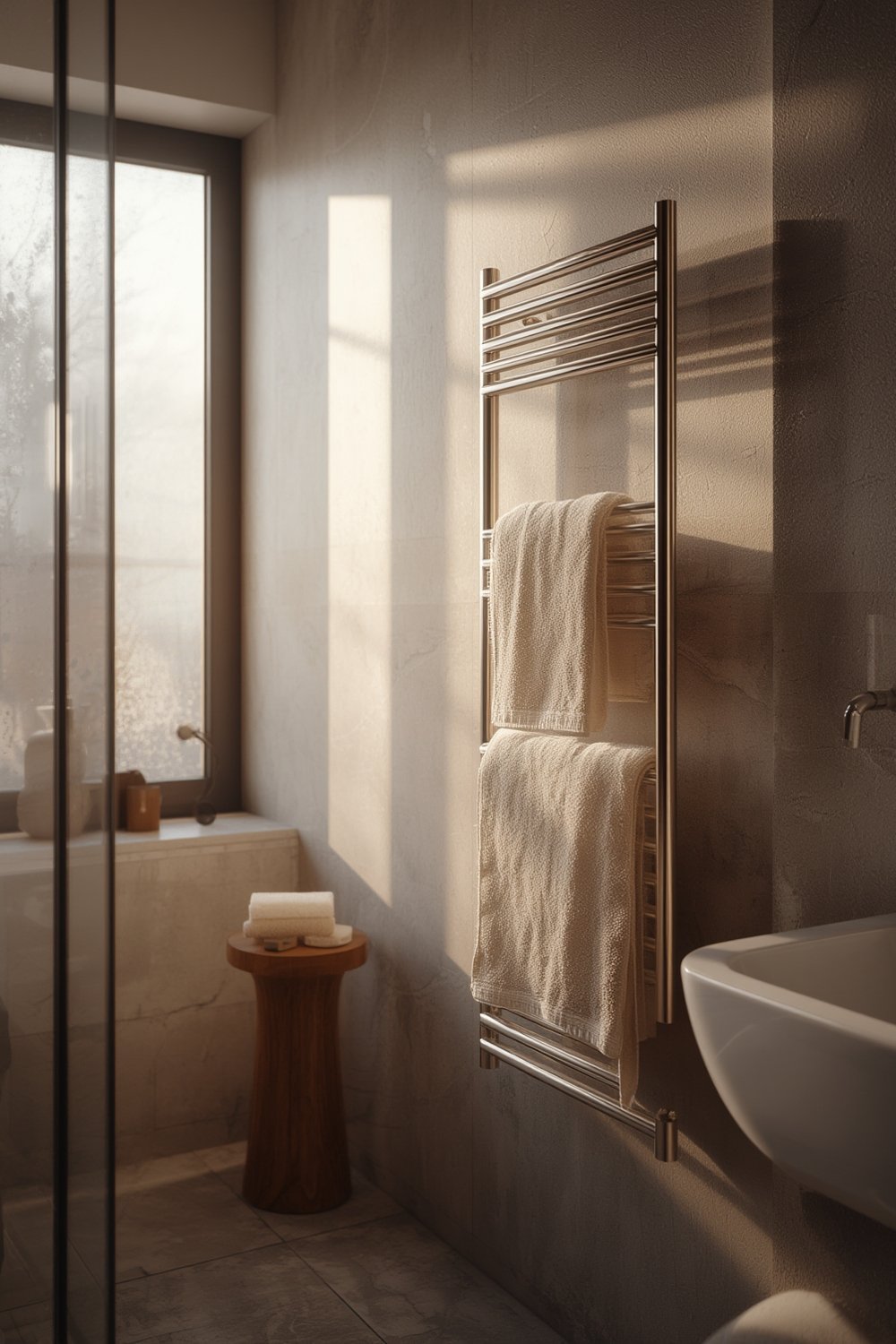
Electric models dominate, representing about 66.8% of all sales in 2024. These require little to no plumbing and often can be plugged in without major renovations—making them popular with both renters and owners. Typical formats include:
- Wall-mounted heated rails and ladders
- Freestanding racks
- Bucket-style or canister towel warmers
Installations are skewed toward the residential market, spurred by bathroom refreshes, luxury upgrades, and a desire to add spa-like comfort. Commercial applications, such as hotels and spas, account for a smaller share but are growing.
However, real-world results can differ from expectations, especially around drying speed, mildew prevention, and ease of use. The following sections provide a practical roadmap to picking the right towel warmer and avoiding buyer’s remorse.
How to Choose and Use a Towel Warmer: Step-by-Step
- Assess Your Space and Needs
- Measure your available floor or wall space, and decide whether you want a fully installed wall unit or a freestanding portable model. If you’re in an apartment or rental, a plug-in bucket or rail models is often best—no drilling or electrician needed.
- Identify whether drying, warming, or both are your priorities. Rails are best for continuous drying; buckets provide on-demand, enveloping warmth.
- Set Your Budget (Include Installation)
- Expect to pay $60-$250 for plug-in buckets or compact rails, $250-$600 for small hard-wired rails (including electrician), and $500-$1,500+ for large designer radiators with professional installation (Data Bridge).
- Choose the Right Type and Features
- Electric plug-in models suit renters and retrofits. Hydronic (plumbed) units are best for large permanent installations and whole-bathroom heating.
- Look for timers, thermostatic controls, and (in new 2024 models) smart scheduling or WiFi/app control to cut down on standby energy use and avoid running the unit 24/7.
- Consider wattage (lower is more efficient but slower): Most small rails run at 60–150W—about the same as two light bulbs—but some large units use more. See this energy-conscious air fryer guide for parallels in efficient appliance selection.
- Installation and Use
- Plug-in buckets and rails: Place for easy reach and safe, dry cord routing. Leave towels spread out as much as possible for faster drying.
- Wall-mount or hard-wired: Hire a licensed electrician for safe installation, especially if bathroom outlets or GFCI circuits are needed. Confirm your wall structure can support the weight and allow for safe, code-compliant wiring.
- Always follow manual instructions on warming times—most units require 15–45 minutes to deliver comfortable warmth.
- Maintenance and Hygiene
- Wash towels regularly—a towel warmer slows mildew, but does not kill all bacteria or substitute for proper laundering and ventilation.
- Periodically clean the unit’s surfaces and check for any wiring or stability issues.
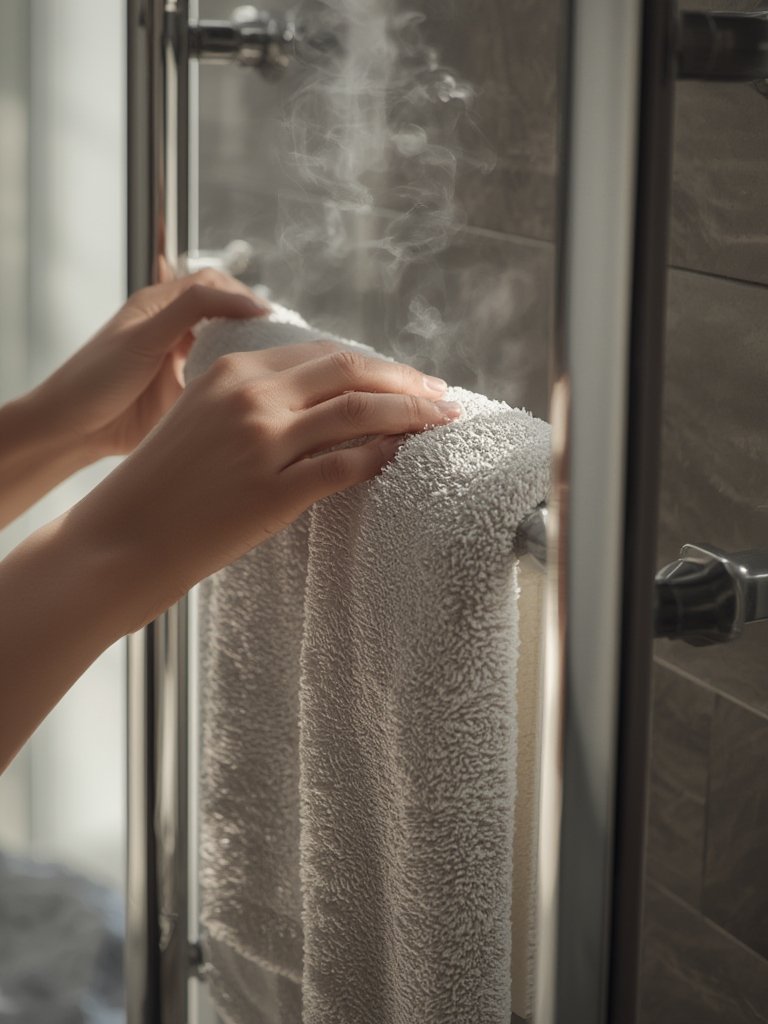
If you need to keep walkways clear or have a crowded bath, slimline rails or compact buckets work best. For more small-space tips, see our guide to choosing slim kitchen appliances.
Questions about safe electrical setup? Read our guide to installing permanent outdoor lights for insight into working with pros for code-compliant, low-maintenance results.
Advanced Analysis and Real-World Pitfalls
While towel warmers look straightforward, user experience tells a messier story. Installation headaches, unrealistic expectations of instant drying, and confusion about hygiene benefits are widespread. Let’s break down the issues—and see how different types stack up.
Common Pitfalls and Complaints
| Type | Main Complaints | Extra Costs/Risks |
|---|---|---|
| Bucket/Canister Warmers |
|
|
| Wall-Mounted Rails/Radiators |
|
|
| Freestanding Plug-in Rails |
|
|
Hygiene: Hopes vs Reality
Marketing claims about “germ-free towels” are not independently lab-proven. As of 2024, there are no published comparative studies proving that any towel warmer, bucket or rail, reliably sterilizes towels or eliminates mildew. Fast drying at warm (but not sterilizing) temperatures does help reduce microbial growth according to general textile science—but ventilation and regular laundering matter just as much.
Energy Efficiency and Safety
Few product roundups provide real-world electricity usage data. Most electric towel warmers (rails and smaller buckets) use 60–150W—about as much as two standard bulbs, but costs add up if left on all the time. Newer “smart” models with timers, thermostats, or app controls can slash energy waste, a key selling point now highlighted by market reports (Grand View Research).
Safety for families—avoiding burns from hot rails or shocks near water—is often under-addressed. Always look for models with safety certifications, IP ratings for wet locations, and use GFCI outlets for plug-in installations. For tight rental spaces and small children, plug-in buckets or rails with auto shutoff are best.
Want more tips for renters? See our guide to renter-friendly home upgrades for low-risk solutions.
Design Innovations 2023–2024
- Widespread adoption of WiFi/app controls and voice integration for scheduled heating (eliminates “always-on” waste and cuts wait time).
- Compact, space-saving designs and multipurpose radiators now target small bathrooms and apartments.
- Manufacturers market “hygienic” models, but there are no UV-C or active antimicrobial technologies proven effective for towels yet.
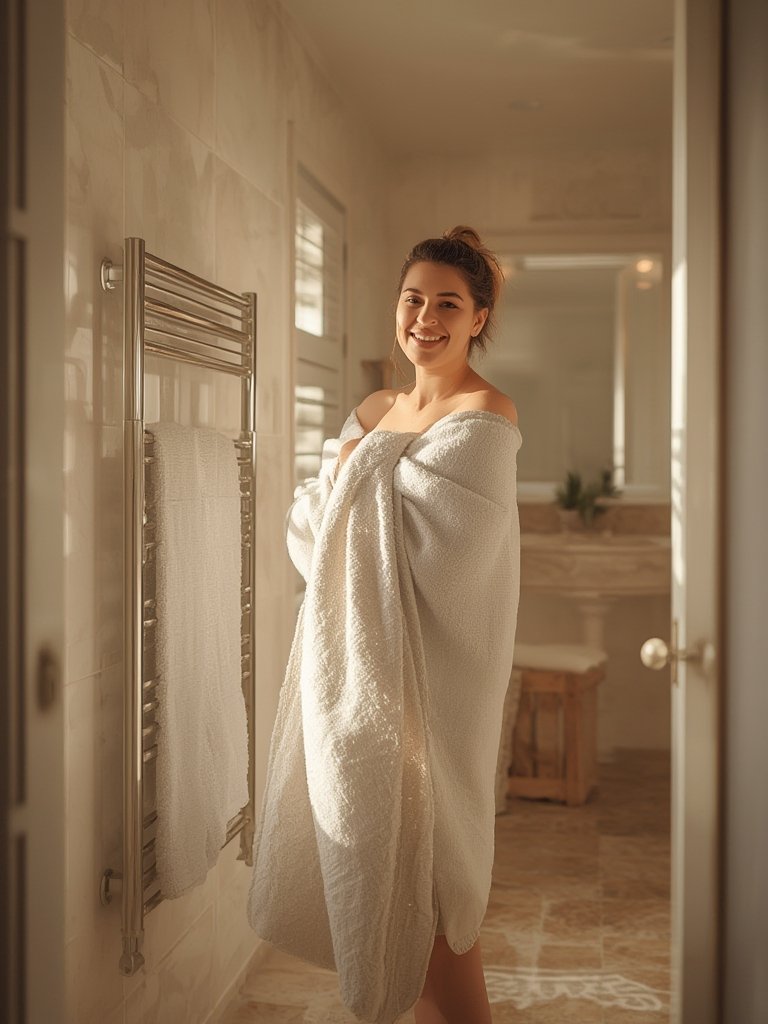
Still deciding between categories? Compare energy use, safety, and permanence—just as you would with a cordless vacuum or wireless meat thermometer.
Conclusion
Towel warmers are a hot commodity in 2024, with options for every budget—yet real benefits depend on smart selection, installation, and usage. Energy use is modest if managed, but don’t expect a towel warmer alone to solve all hygiene or odor problems. Ongoing innovations such as smart controls and energy-efficient designs are eliminating old pain points, making these appliances more accessible for renters and homeowners alike.
If you want a bathroom upgrade that brings real comfort, towel warmer models with timers or smart features are your best bet. Always balance warming performance with practicality—measure first, install safely, and use built-in controls to avoid energy waste. Ready to bring a spa-like feel to your routine? Explore today’s best towel warmers and make your mornings more welcoming. For more home upgrade guides, see our shoe washing bag guide and our review of eco-friendly bathroom essentials.
FAQ
Do towel warmers actually kill bacteria and prevent mildew?
No independent lab research proves that towel warmers eliminate bacteria or mildew entirely. They help by speeding up drying, which reduces conditions for growth, but regular laundering and bathroom ventilation are still essential for true hygiene.
Are towel warmers expensive to run every day?
Most towel warmers (60–150W) use about as much energy as two light bulbs. Running a 100W unit for 8 hours costs only a few cents a day, but costs add up if left on all the time. Smart plugs, timers, or app controls can cut standby waste significantly.
Can I install a towel warmer if I’m renting?
Yes. Plug-in bucket or rail models require no wall modification and are fully removable, making them ideal for renters. Hard-wired or hydronic towel warmers almost always require landlord approval and permanent changes, so are best for homeowners.
Do I need a professional to install a wall-mounted towel warmer?
Wall-mounted plug-in rails can often be installed DIY with basic tools. Hard-wired electric or plumbed (hydronic) units should always be installed by a professional to ensure safety, code compliance, and insurance coverage.
What’s the difference between a towel warmer and a towel dryer?
The terms are often used interchangeably. Most towel warmers heat towels for comfort and can help dry damp towels, but do so slowly. True towel dryers (commercial or dryer cabinet style) use higher temperatures and airflow for rapid drying, but are less common in home baths.