

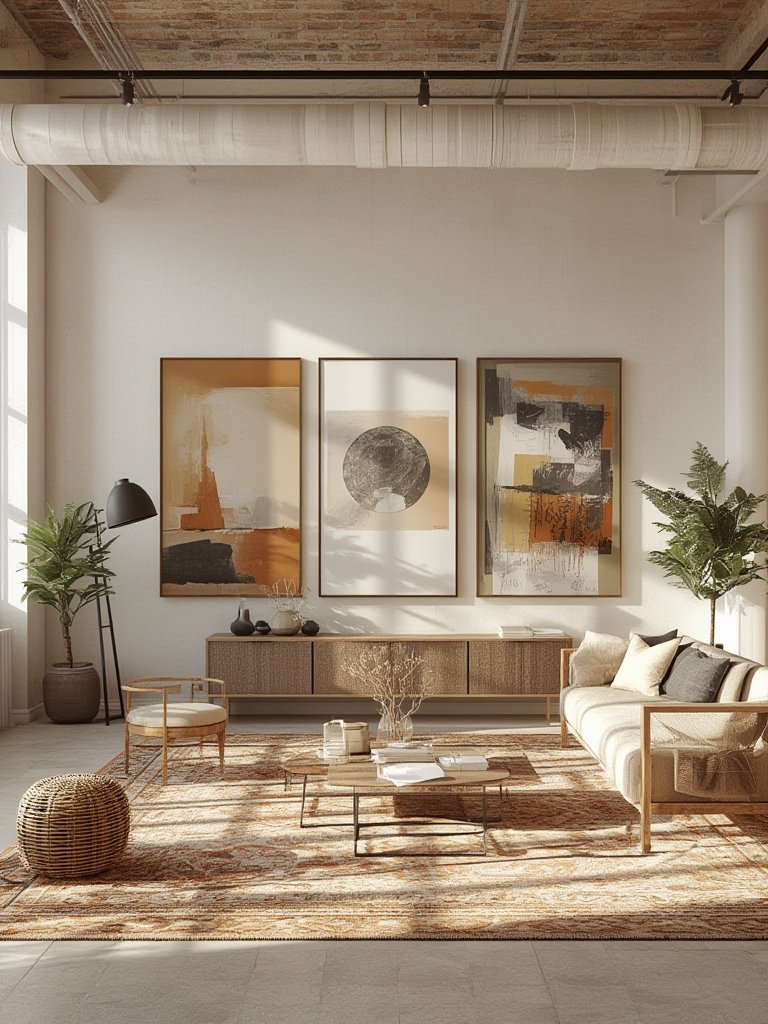
studio roof wall art has emerged as one of the most distinctive trends for modern studios, combining architectural boldness with personalized decoration that truly maximizes every inch of space. Owners, designers, and creatives alike are seeking unique ways to transform not just their walls—but their ceilings or “roof walls”—into eye-catching statements. This guide breaks down the essentials, pitfalls, and actionable steps you need to confidently install wall art in studio roof spaces, using the latest research and real-world experience.
Key Takeaways
- Studio roof wall art taps into rising trends like minimalism, personalization, and nature-inspired design, expanding creative possibilities for small or urban studio spaces.
- Owners face practical challenges—weight, installation complexity, regulatory rules, and weather resistance—that differ from standard wall-hung art.
- Advance planning and awareness of technical limitations can prevent costly mistakes, ensuring your project elevates both aesthetics and property value.
- The Core Concept: What is Studio Roof Wall Art and Why Does It Matter?
- Step-by-Step Guide: Planning and Installing Studio Roof Wall Art
- Advanced Analysis & Common Pitfalls
- Conclusion
- Frequently Asked Questions
The Core Concept: What is Studio Roof Wall Art and Why Does It Matter?
Studio roof wall art refers to installation of creative, decorative pieces—not just on standard vertical walls—but on the roof surfaces (ceilings or angled roof walls) of studio spaces. The movement goes beyond traditional artwork to transform underutilized architectural features into statement areas. With studios often defined by open ceilings, skylights, exposed beams, or sloping walls, the “fifth wall” becomes an exciting canvas for minimalist, nature-inspired, or vivid designs.
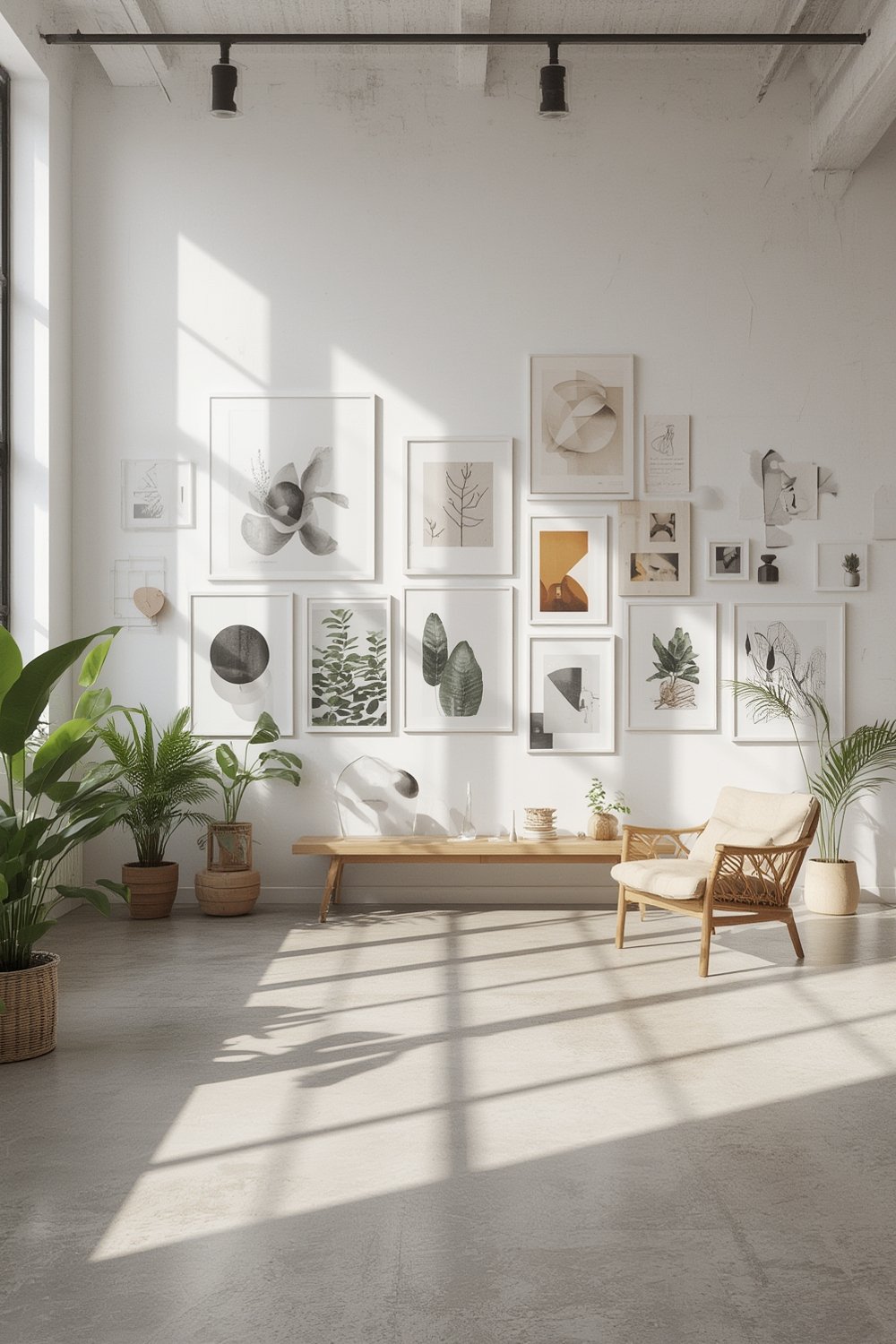
This approach blends with broader wall art trends. According to recent research, the global wall art market hit $63.61 billion in 2024, fueled by demand for personalization and sustainable materials. Abstract, minimalist, and nature motifs top the charts for their adaptable, mood-inducing attributes, with digital and mixed-media art also on the rise [source].
Urban studio dwellers want to imbue even compact, high-up areas with emotion, color, or tranquility—supporting remote work, relaxation, or creative inspiration. For property owners, striking roof wall pieces can boost rental appeal, especially if aiming for that one-of-a-kind listing or workspace.
If you’re exploring additional ways to enrich your living spaces, consider transforming your outdoors or learning from interior design inspiration such as Seth Rogen’s home decor ideas.
Step-by-Step Guide: Planning and Installing Studio Roof Wall Art
Unlike traditional wall art, roof or elevated wall installations require an extra layer of planning. Here’s how to go from idea to installation—confidently.
- Assess Your Studio Architecture
Identify ceiling types, angles, skylights, beams, and materials. Roof wall art works best on smooth, accessible surfaces. Exposed HVAC pipes or irregular beams may require custom solutions. - Set Your Budget and Design Goals
Decide if you want minimalist, nature-inspired, abstract, or bold-color art in line with 2024 trends. Plan for costs beyond just art purchase—factor in specialty mounting hardware, possible scaffolding or ladder rental, and long-term maintenance. - Choose Suitable Art Mediums
For roofs and high installations, prioritize lightweight materials (acrylic, fabric, metal composites) and weather-resistant coatings if exposed to sun or humidity. There is a growing demand for sustainable art—bamboo, recycled metals, or non-toxic prints are favored. See examples at Studio Roof. - Check for Regulatory and Structural Requirements
Especially for rented or commercial studios, check local building codes for load limits, fire safety, and approval for rooftop installations. This step is often ignored and could lead to removal or fines later. - Measure and Mock Up
Use painter’s tape or projection tools to outline the art’s dimensions and placement directly on the ceiling or angled wall. This can prevent crowding the space or blocking light from skylights. - Plan for Access and Safe Installation
For angled or high ceilings, arrange safe ladder, scaffold, or platform access. Consider hiring a pro if the installation is heavy or requires special tools. - Mounting and Attachment
Secure all mounting hardware into wall studs or ceiling joists. For extra-heavy or 3D art, use anchors designed for both vertical and overhead force. Always double-check manufacturer weight ratings and, if unsure, seek structural advice. - Finishing Touches & Maintenance
Seal with UV-protective or moisture-resistant finishes for added durability, especially near skylights or open ventilation. Plan periodic checks to prevent weakening mounts or fading colors. For easy living, complement your new art with functional additions like a permanent outdoor lighting system or a digital family calendar for adjacent spaces.
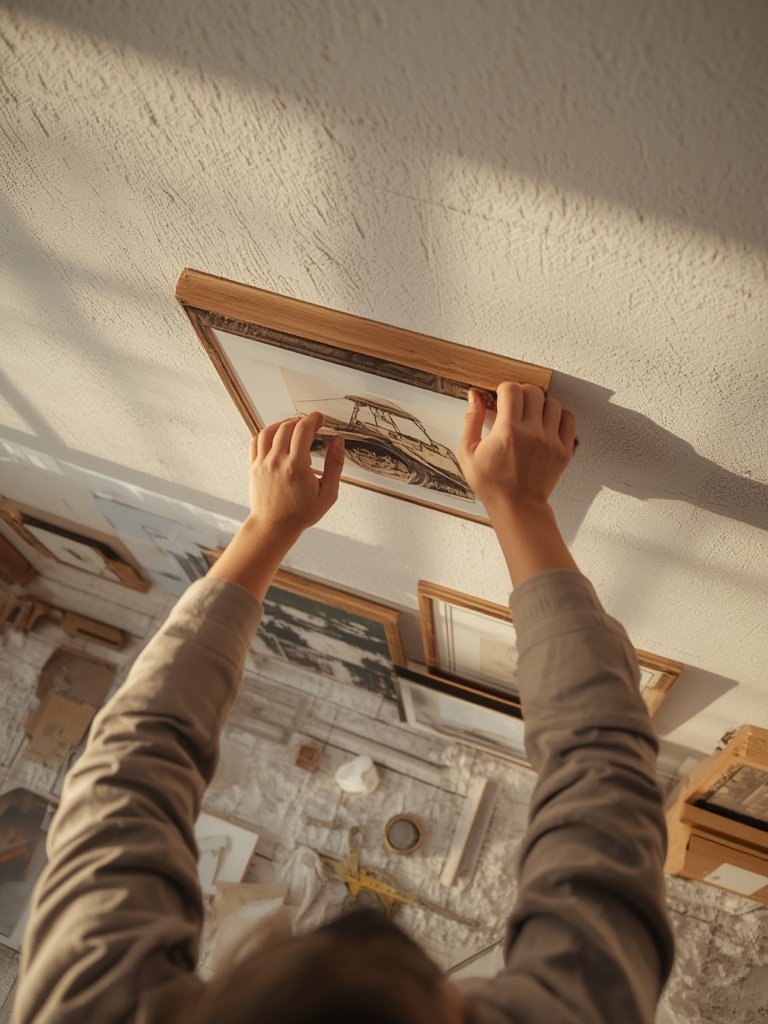
Thinking creatively about placement and mixing modular art also lets you refresh your decor easily—without losing security or risking damage.
Advanced Analysis & Common Pitfalls
Research highlights, but doesn’t detail, several traps that can trip up even experienced designers or DIYers. Here’s what data and user feedback imply you must watch for:
| Issue | Impact | How to Avoid |
|---|---|---|
| Improper Weight Calculations | Mount may fail, leading to falling art and damage to people or property. | Use manufacturer’s weight and mounting specs. Confirm with a structural professional for large/heavy pieces. |
| Generic Art Selection | Result feels bland, doesn’t enhance value or mood, possibly reducing rental appeal. | Opt for personalized or locally-inspired artwork; preview via AR tools if possible. |
| Ignoring Maintenance Needs | Colors fade, mold or dampness develops near skylights or vents. Fastener corrosion threatens safety. | Choose weather-resistant coatings, plan quarterly checks, and address leaks or high humidity promptly. |
| Regulatory Oversight | Unapproved installations risk removal, fines, or safety citations in some markets. | Verify requirements with local building authorities and landlords before starting. |
| Cost Overruns | Hidden expenses in hardware, labor, or repairs can double project budgets. | Request itemized estimates, and plan a 10-15% contingency buffer in your budget. |
Most reviewers complain when promised value or uniqueness falls short—or when installation turns unexpectedly difficult. With studio roof wall art, proactive planning and technical awareness make all the difference.
If you’re researching functional home upgrades, check out smart products like a slim toaster for small kitchens or auto-empty cordless vacuums for low-maintenance living.
Conclusion
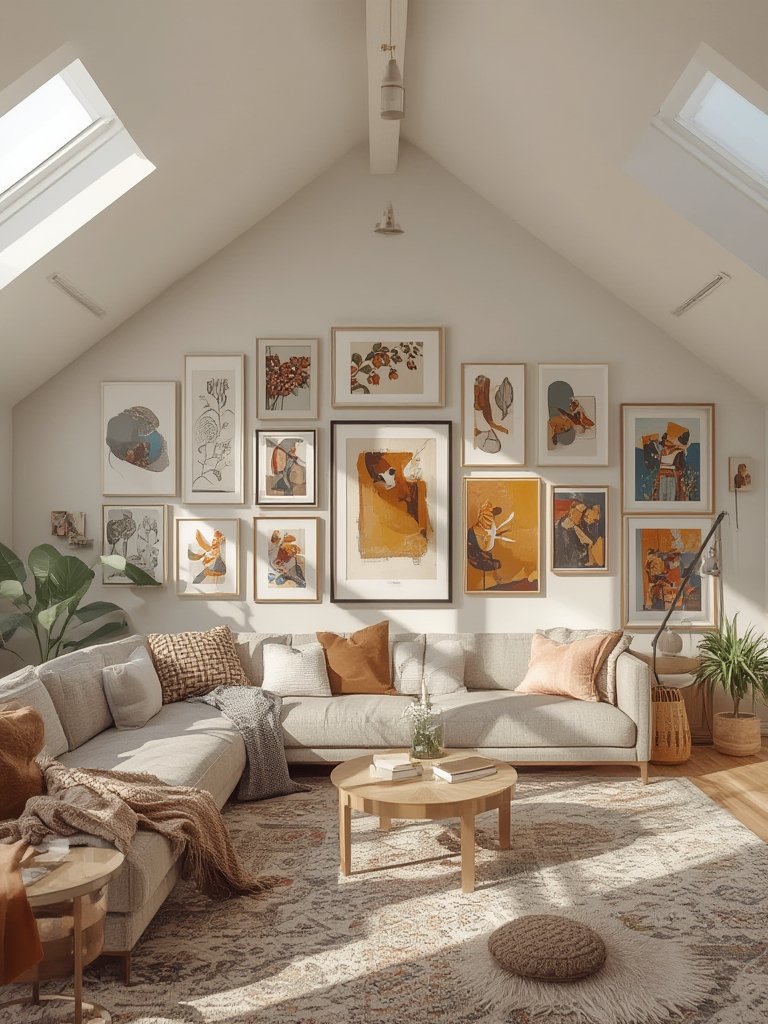
Whether refreshing your work-from-home environment or upgrading a rental property, studio roof wall art unlocks the potential of overlooked spaces. With the market for wall decor booming and tastes shifting toward unique, sustainable, and immersive art, the ceiling or roof wall is your next creative frontier.
Remember: technical planning is as vital as aesthetic choice. Start with the architecture, check all safety/regulatory boxes, and use digital preview tools to get your studio roof wall art project right the first time.
Need more inspiration or expert ideas for unique living spaces? Explore our latest guides, or get professional help for your next big art installation!
Frequently Asked Questions
What types of art are safest for studio roof wall installations?
Lightweight materials like stretched canvas, fabric panels, thin acrylic, and modular magnetic tiles are safest. Heavier materials (like thick glass or solid wood) require professional assessment of mounting points and load capacity.
Do I need special permits for roof wall art in commercial studios?
Often, yes. Many municipalities require permits for permanent rooftop or elevated art installations, especially for shared or rental spaces. Always check local building codes and get written approval from landlords.
How do I clean or maintain high-up or ceiling-mounted art?
Use long-handled dusters for regular cleaning. For detailed maintenance, employ stable ladders or scaffolding, or consider professional cleaning services every 6–12 months—especially for areas near vents, skylights, or kitchens.
Can art on the studio roof wall fade or suffer damage?
Yes. Sunlight from skylights, moisture, or heat from vents can cause fading, warping, or mold. Choose UV-protective finishes, avoid direct exposure when possible, and schedule periodic checks to catch problems early.
Will adding studio roof wall art increase property value?
It can, especially if it enhances appeal, uniqueness, or mood—attributes in demand by buyers and renters. Sustainable, custom, or locally relevant art boosts perceived value, but unapproved or poorly installed features may have the opposite effect.