

Looking for a compact solution to your kitchen countertop clutter? The slim toaster is rapidly becoming the space-saving essential for city apartments and urban homes, offering quick, even toasting without sacrificing valuable real estate. Whether you live in a small studio or just appreciate clean kitchen lines, understanding how these appliances fit into modern living is key. This guide dives deep into everything you need for choosing, using, and troubleshooting slim toasters—backed by up-to-date 2024 research and practical insights.
Key Takeaways
- Slim toasters dominate urban and apartment sales thanks to space-efficient design—two-slice models now hold 52.5% of the global toaster market.
- Choosing a slim toaster involves carefully balancing wattage, slot width, safety, and the size-versus-functionality trade-off, as well as maintaining realistic expectations for durability and features.
- Most slim toasters emphasize convenience and tidiness but can lack advanced features, so understanding their practical limitations is essential before you buy.
- What Is a Slim Toaster and Why Do Modern Kitchens Need One?
- Step-by-Step Guide: Finding and Using the Right Slim Toaster
- Advanced Analysis and Common Pitfalls of Slim Toasters
- Conclusion
- Frequently Asked Questions
What Is a Slim Toaster and Why Do Modern Kitchens Need One?
A slim toaster is a streamlined kitchen appliance designed to toast bread with a minimal countertop footprint. Typically featuring a vertical, two-slice design, slim toasters are tailored for apartments, dorms, and smaller homes where every inch of space counts. Unlike traditional bulkier models, these appliances emphasize narrowness without sacrificing core performance. The result is faster breakfasts and neater countertops, especially in open-plan kitchens dominated by compact appliances.
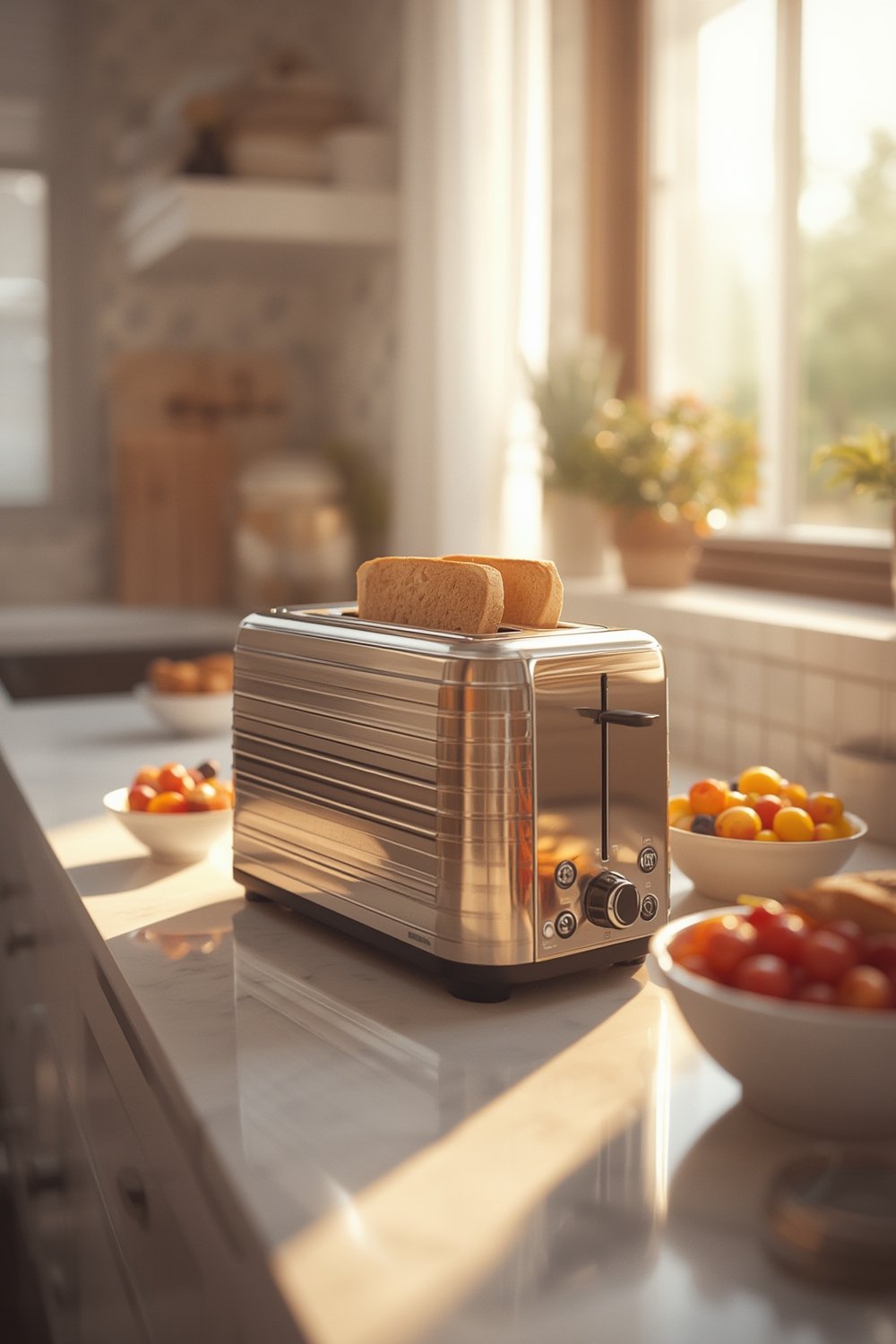
Global research highlights a surge in two-slice slim toaster sales, with 98 million units sold worldwide in 2024, primarily driven by urban millennials and small-household buyers. Studies show residential buyers in regions like North America, Europe, and Asia-Pacific fuel this trend, as compact designs fit contemporary apartments without visually cluttering the kitchen. Traditionally, crammed kitchens meant sacrificing functionality, but slim toasters have redefined the balance between performance and size.
While slim toasters now headline the market, the choice comes with trade-offs. Most models prioritize minimalism, so you can expect fewer advanced features and smaller loading capacities—making research on wattage, safety, and maintenance crucial before making a decision.
Step-by-Step Guide: Finding and Using the Right Slim Toaster
Successfully selecting and using a slim toaster in a small kitchen requires a blend of practical research and real-life expectations. Follow these actionable steps to make sure your next toaster is the right fit for your space—without missing critical safety or efficiency details.
- Measure your available counter space. Before shopping, note the exact width and depth of free space. Most slim toasters have footprints narrower than 7 inches wide, but check for a model that follows your countertop’s unique layout.
- Review the slot width and bread compatibility. Not all slim toasters accept thick artisanal slices or bagels. If you routinely toast unconventional breads, choose a model with extra-wide slots.
- Compare power ratings and local voltage stability. For urban settings, mid-range wattage (801-1,200W) is ideal, delivering fast results without risk of tripping circuits. If you live in a region with voltage irregularities, consider a sub-800W option to safeguard sensitive grid setups.
- Check for auto-shutoff features. Automatic pop-up ensures consistent browning, and auto-shutoff adds peace of mind in shared apartments or for families with children.
- Consider energy efficiency and safety certifications. Although specific certifications like UL or ETL aren’t always advertised, stick with reputable brands that openly promote compliance in their U.S. or EU models.
- Maintenance and ease of cleaning. Select models with removable crumb trays and smooth, wipeable exteriors, especially if your kitchen doubles as a prep space.
- Compare warranty terms and price. Names like Hamilton Beach balance value and performance—many offer bundles for students and renters. Always check included warranty details, as slim models may sometimes have shorter coverage due to their compact nature.
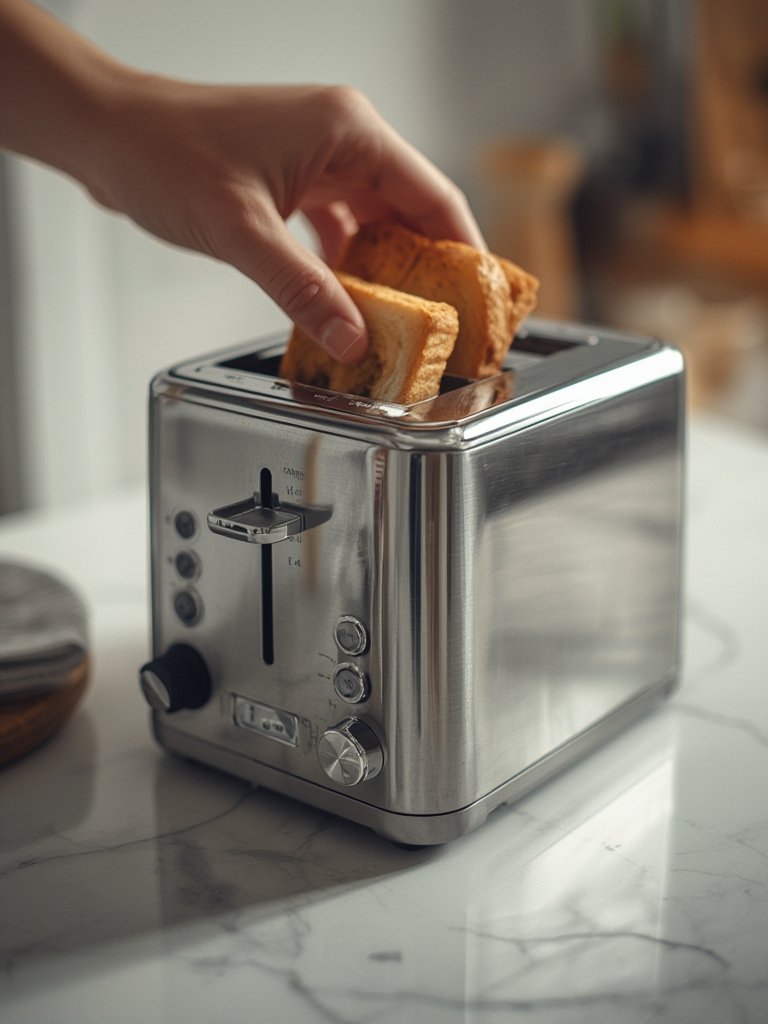
Modern slim toasters seldom include extensive extra features like warming racks or specialty settings, so expect a focus on core toasting performance. For families or larger households, more functional but slightly bulkier models may offer better flexibility. If you’re exploring ways to clear additional space, visit our home transformation guide for more kitchen organization strategies.
Advanced Analysis and Common Pitfalls of Slim Toasters
The slim toaster marketplace is built on convenience, but several hidden factors can impact your satisfaction after purchase. Below, we analyze realistic obstacles using up-to-date research alongside in-depth user considerations.
- Slot Width Limitations: Many slim models restrict you to standard supermarket sandwich bread. Oversized artisanal loaves may require slicing or toasting in multiple batches.
- Power Versus Performance: Lower-wattage (≤800W) toasters save energy but sometimes struggle with consistent browning, particularly if your building’s voltage is erratic or peak morning demand is high. Conversely, high-wattage models offer speed but may overload older circuits.
- Durability in Daily Use: Compact mechanisms can wear faster than their full-size counterparts, especially if used for multiple breakfast rounds daily. Warranty coverage for slim appliances is often less comprehensive, so check details before purchase.
- Lack of Advanced Features: While pop-up mechanisms are common, core slim toaster models often skip digital timers, bagel specific settings, or reheat/defrost modes. This keeps them easy to use but may disappoint tech-savvy users.
- Cleaning and Maintenance: In cramped kitchens, limited crumb tray access and vent placement may make regular cleaning a challenge. Residual crumbs can lead to minor smoke or odor issues if not checked weekly.
| Feature | Slim 2-Slice Toaster | Standard Full-Size Toaster |
|---|---|---|
| Width (Average) | 5–7 in | 8–12 in |
| Slot Width | ≤ 1.4 in | 1.4–2 in |
| Power Rating | 801–1200W (common) | 1000–1500W |
| Settings | Basic browning, pop-up | Bagel, reheat, defrost, digital |
| Maintenance | Crumb tray, narrow access | Crumb tray, wider access |
| Price Point (est.) | Affordable, entry level | Moderate to premium |
Another pitfall is missing or ambiguous safety certification. While leading brands highlight safety features, few specify recognized marks like UL or ETL explicitly in product listings. When shopping, prioritize products clearly advertising these credentials to ensure peace of mind in small kitchens—especially in shared apartments or properties with older wiring. Research suggests a move toward energy-efficient mid-range models, although outright energy-star or equivalent ratings are rarely included for toasters. For multi-functionality, consider flexible small-appliance options, or explore storage solutions like a shoe washing bag for laundry area organization.
Conclusion
Slim toasters deliver what urban and apartment kitchens need: efficiency and simplicity in a fraction of the space required by full-size appliances. By focusing on your exact needs—slot width, wattage, and safety certifications—you can avoid the most common pitfalls and purchase confidently. Remember, a slim toaster isn’t meant to be an all-in-one breakfast solution, but rather a compact tool to keep your kitchen tidy and your days efficient. Ready to upgrade your breakfast routine? Begin your search for a slim toaster today and reclaim your countertop space.
For more home improvement strategies, check out our tips on transforming your outdoor space, organizing with a family calendar display, or installing permanent outdoor lights for year-round curb appeal.
Frequently Asked Questions
What makes a slim toaster different from a regular toaster?
Slim toasters are designed to be narrower and often shorter than standard models, fitting comfortably in small kitchens or apartments where space is at a premium. They usually have fewer advanced settings but provide all core toasting functions.
Will a slim toaster handle thick bread, bagels, or artisan slices?
Many slim toasters are limited to standard sandwich bread. If you prefer thicker bread or bagels, look for a slim model specifically marketed with extra-wide slots.
What is the ideal wattage for a slim toaster in an apartment?
Mid-range wattage (801–1,200 watts) offers the best balance for quick, even toasting in apartments while minimizing risk of tripped circuits during peak usage. Opt for lower wattage (≤800W) if your building experiences frequent power fluctuations.
How do I keep a slim toaster clean in a busy kitchen?
Choose a model with a removable crumb tray and smooth exterior to simplify cleaning. For best results, empty crumbs weekly and wipe surfaces regularly to avoid odor or smoke issues in small kitchens.
Are there safety certifications I should look for in slim toasters?
Yes, reliable brands often carry UL or ETL safety approvals for North American buyers. Always check listings or product manuals for proof of compliance, especially in shared or older living environments.