

Shoe washing bag solutions are changing the way we clean sneakers and footwear in the washing machine, eliminating the risks of shoe or appliance damage caused by unprotected washes. If you want to extend the lifespan of your favorite shoes and keep your washer running smoothly, it’s worth understanding how a shoe washing bag works, why it matters, and how to use it effectively.
Key Takeaways
- Shoe washing bags provide essential protection for sneakers and washers, preventing shoe damage and machine contamination.
- Choosing a bag with strong zippers, reinforced stitching, and breathable mesh material can make a big difference in results.
- Most current market data shows growing interest in shoe washing bags, but little public reporting on usage rates or exact performance stats—choose bags based on construction quality and user reviews.
- What Is a Shoe Washing Bag and Why Should You Use One?
- How to Use a Shoe Washing Bag: Step-by-Step Guide
- Advanced Analysis & Common Pitfalls
- Conclusion
- FAQ
What Is a Shoe Washing Bag and Why Should You Use One?
A shoe washing bag is a specialized, reusable mesh pouch designed to protect sneakers or shoes when cleaned in a washing machine. Unlike regular laundry bags, a shoe washing bag features sturdy mesh material, a durable zipper, and secure stitching to handle the weight and friction of footwear.
Washing shoes directly in the machine can cause scuffs, deformed uppers, broken soles, and even washing machine damage. Over time, dirt and debris from shoes can clog your washer or produce odd noises during the wash cycle. Using a mesh shoe washing bag prevents these issues by acting as a barrier that absorbs shock and holds loose threads or dirt.
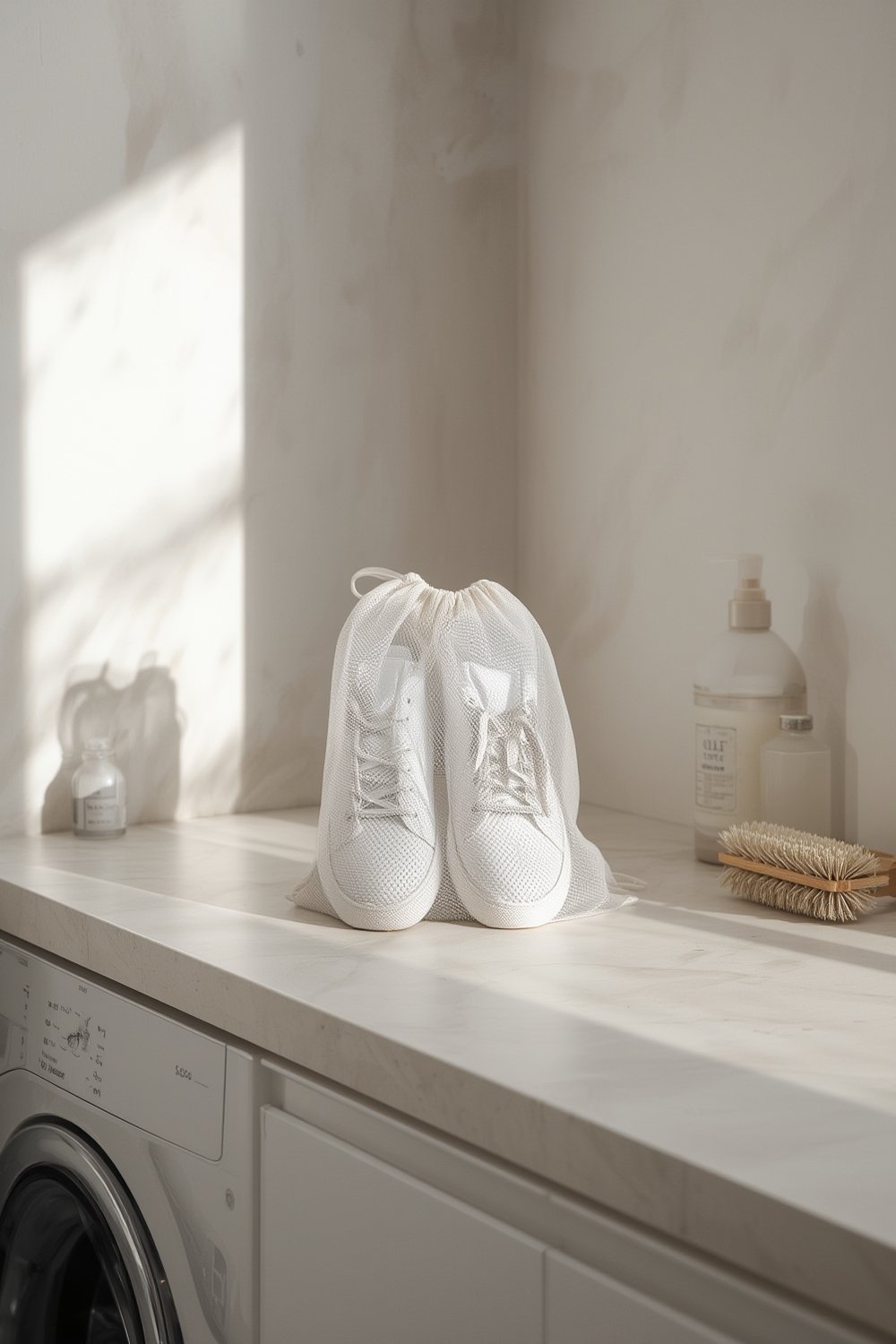
Premium bags use heavy-duty zippers and reinforced mesh, offering better protection and water flow for deep cleaning. Most models are spacious enough for a pair of sneakers or sports shoes, making them suitable for families, busy professionals, and students. If you’re into sustainable living, many quality bags now use eco-friendly materials which you can learn more about in recent market studies.
With hygiene and convenience in high demand, the rise of the shoe laundry bag is part of a bigger trend toward better household routines, much like how year-round smart lighting has transformed home exteriors.
How to Use a Shoe Washing Bag: Step-by-Step Guide
Cleaning shoes with a washing bag is simple when you follow these steps. Using the bag correctly ensures your footwear and appliance stay in great shape for the long haul:
- Remove shoelaces and insoles. Take out laces and insoles to let water and detergent reach all parts of the shoe. Wash these separately or place them in a smaller mesh bag.
- Brush off loose dirt. Use a soft brush to remove mud or debris from the soles and surface before placing them in the bag.
- Load the shoes into the shoe washing bag. Make sure the shoes are not overcrowded and zip the bag fully so nothing slips out during the wash cycle.
- Place the bag into the washing machine drum. Add some towels to balance the load and cushion the shoes further, reducing vibration and noise.
- Select a gentle wash cycle. Use a cold or warm water setting with mild detergent—avoid rigid, high-spin setups that can deform the shoes or cause excess wear.
- Air dry your shoes. Never put athletic shoes in the tumble dryer. After washing, remove from the bag and let them air dry in a vented space. You can stuff them with newspaper or towels to help them keep their shape and dry faster.
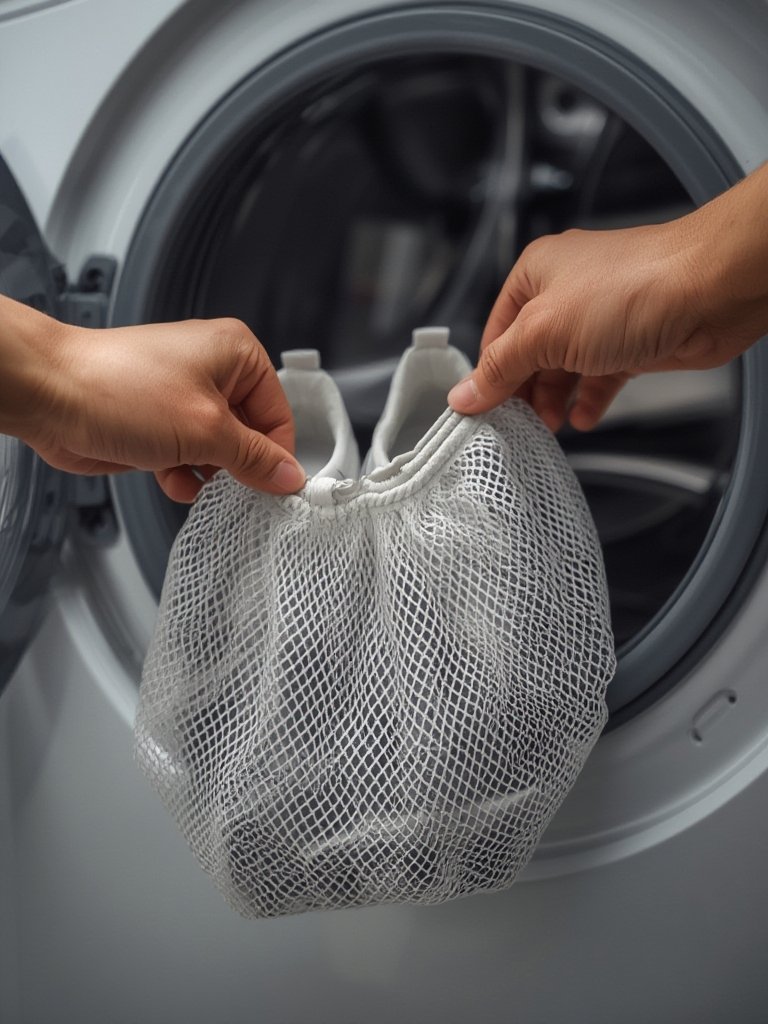
Using a shoe washing bag isn’t just about cleaner shoes, it also prevents threads or dirt from entering your machine—helpful if you want to protect other home appliances like your digital organizer screens from exposure to dust and grime in the utility room.
For tougher stains, try soaking sneakers in cool soapy water before bagging and using the washing machine. You can check out additional cleaning routines used by professionals in guides like this practical landscaping post for cross-functional home care tips.
Advanced Analysis & Common Pitfalls
Despite rapidly growing interest in shoe washing bags, most consumer and industry reports such as those from Archive Market Research reveal there’s no specific data on actual ownership or long-term performance. That said, buyers report several recurring issues and differences between premium and budget bags that can affect your results:
| Feature | Premium Bag | Budget Bag |
|---|---|---|
| Zipper | Heavy-duty, rust-resistant, usually concealed | Lightweight plastic or basic coil, exposed |
| Mesh Thickness | Thicker, tear-resistant, double-stitched | Thin, easy to rip, often single-stitched |
| Material Quality | Eco-friendly, reinforced, premium-grade polyester | Standard or recycled plastic mesh |
| Stitching & Seams | Reinforced, double-stitched corners and edges | Single-stitched, weak seams prone to splitting |
| Estimated Lifespan | Many washes (no quantified data or cycles) | Prone to zipper or mesh failure after moderate use |
Common pitfalls and concerns include:
- Unsecured zippers. If the zipper opens mid-wash, shoes can escape and damage the machine.
- Mesh tearing. Budget bags may rip under heavy agitation, rendering them useless and risking shoe damage.
- Poor fit for oversized shoes. Many standard bags can’t fit larger sneakers or boots—make sure to check product dimensions before purchase.
- Uncertain compatibility. Most competitor articles do not address which shoes or fabrics are not suited to machine washing, risking unintentional damage to specialty materials.
- Dryer misuse. Even with a bag, placing shoes in the dryer is not recommended, as heat can warp them or damage adhesive structures.
There’s little peer-reviewed or manufacturer-released data showing exact noise or damage reduction figures for shoe washing bags in lab conditions. According to manufacturer listings, bags are reusable and generally built to survive many washes, but warranty details or wash cycle counts are rarely published. If you want to ensure long-term durability, look for customer reviews mentioning zipper and mesh longevity.
Consider how maintaining your appliances, even with simple accessories, can add to the value of your entire home investment—an idea explored in our popular guides on outdoor lighting and overall home improvement strategies.
Conclusion
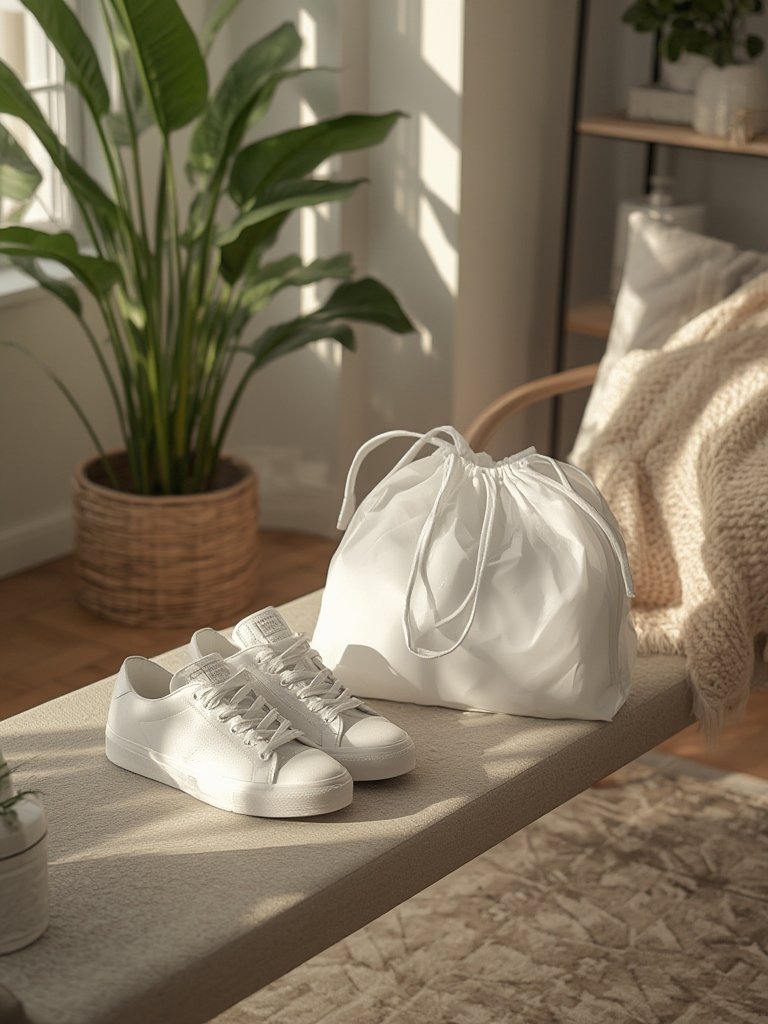
Using a shoe washing bag is a straightforward way to keep your sneakers clean, extend shoe lifespan, and protect your washing machine from damage. By choosing a bag with robust zippers, thick mesh, and careful stitching, you’ll avoid the pitfalls of torn mesh or broken closures. While no standardized performance data exists, current user feedback points to substantial benefits for both footwear and appliances. Don’t forget that pairing smart household cleaning routines (like using the right shoe washing bag) with other savvy upgrades—from thoughtful landscaping to organized family schedules—adds value to your daily life. Ready to protect your shoes and your washer? Choose a quality shoe washing bag and up your cleaning game today.
FAQ
Do shoe washing bags really prevent shoe damage in the washing machine?
Yes, when used properly, shoe washing bags cushion shoes, reduce friction, and protect adhesives, uppers, and soles from scuffing and deformation during a wash cycle.
Can I dry shoes inside the bag in the dryer?
It’s not recommended. Even with a bag, dryers can deform shoes, melt adhesives, or shrink certain materials. Air dry for best results.
What kind of shoes can I put in a shoe washing bag?
Mesh bags are usually suitable for athletic sneakers, canvas shoes, and some casual footwear. Avoid machine washing leather, suede, or shoes with glued embellishments.
How do I know if my bag’s zipper is strong enough?
Check for metal or heavy-duty plastic zippers, reinforced or covered tabs, and customer reviews mentioning zipper quality or failures.
How often should I replace my shoe washing bag?
If you notice rips, zipper problems, or the mesh thinning, it’s time for a replacement. Quality bags should last through dozens of washes if used properly.