

Reel paper has become a go-to choice for eco-conscious households questioning if bamboo toilet paper delivers on its green promises and daily comfort. If you want honest answers about environmental impact, user experience, price, and what to watch out for, you’re in the right place. This guide covers what the science and real-world reviews say about reel paper in 2024.
Key Takeaways
- Bamboo toilet paper can be more eco-friendly if mills use clean energy, but recycled paper often has an even smaller footprint.
- Most bamboo TP like Reel Paper is septic safe, but some users notice trade-offs in plushness, cost, and sometimes roll size.
- plastic-free packaging is standard for leading bamboo brands, but true sustainability depends on fiber sourcing, certifications, and transparency.
- What Is Reel Paper and Why Does It Matter?
- How to Choose and Use Bamboo Toilet Paper: Practical Steps
- Where Reel and Bamboo Toilet Paper Fall Short: Pitfalls, Price & Real-World Limitations
- Conclusion
- FAQ
What Is Reel Paper and Why Does It Matter?
Reel paper refers to bamboo-based, tree-free toilet paper—like Reel Paper brand and its competitors—marketed as a sustainable replacement for traditional wood-pulp tissue. Bamboo grows quickly without replanting, and is often touted as using less water and requiring fewer chemicals. The bright promise: less deforestation, less pollution, and a healthier supply chain for your bathroom routine. But the true impact is more nuanced.
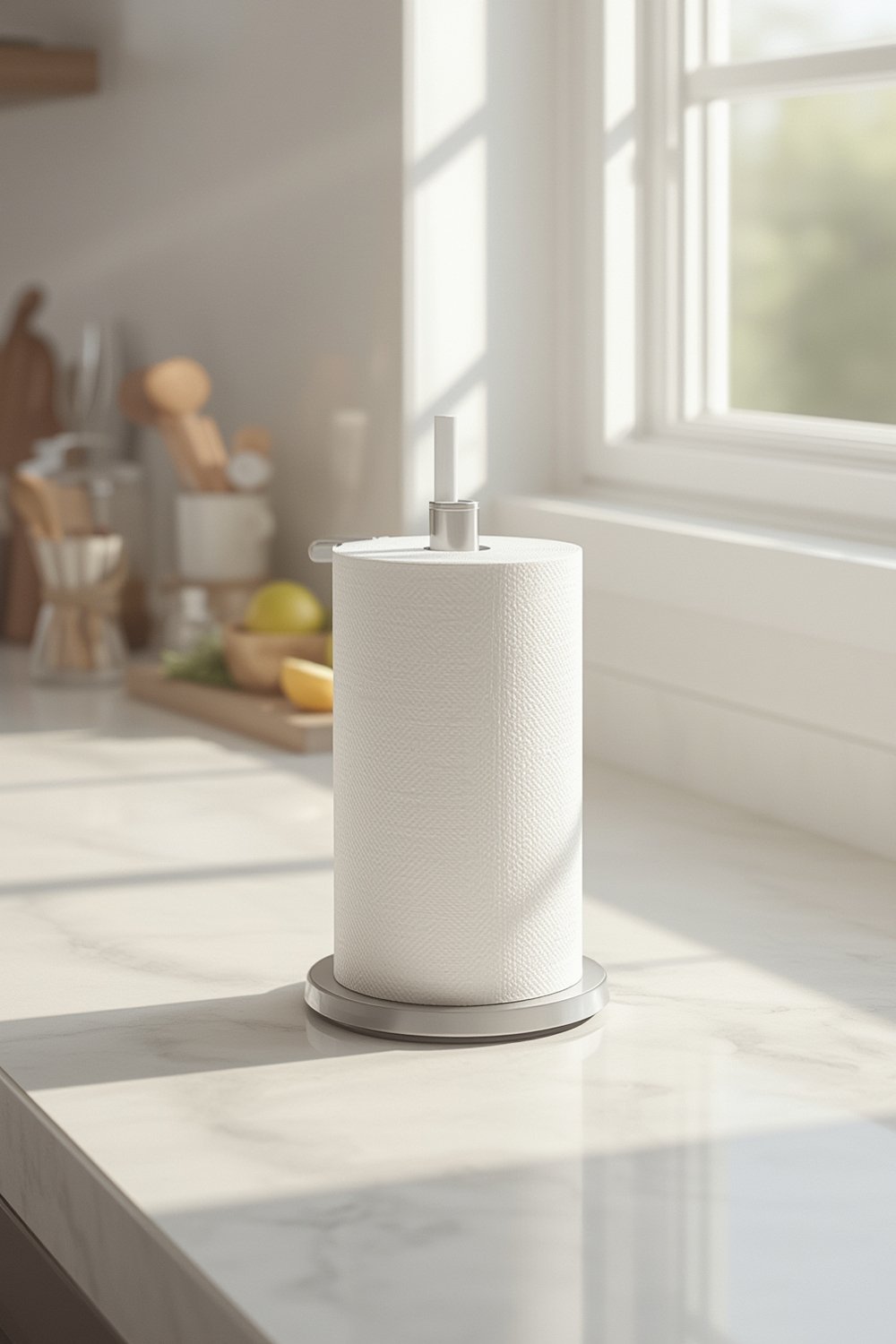
Why it matters: In the United States, toilet paper accounts for millions of felled trees each year, vast water consumption, and huge carbon emissions. With environmental certifications and plastic-free packaging, bamboo toilet paper aims to solve these problems. But final outcomes—on carbon, water use, price, comfort, and even septic safety—depend on details of supply chains, mill location, certifications, and technology.
For anyone serious about a more sustainable household, understanding reel paper means weighing actual evidence, not just eco-marketing. Below, you’ll see how bamboo, recycled, and traditional TP stack up—and what you need to know before making the switch.
How to Choose and Use Bamboo Toilet Paper: Practical Steps
Switching to reel paper is straightforward, but a few steps will ensure you maximize benefits—and avoid rookie mistakes.
- Research your options. Read verified reviews comparing Reel Paper, Who Gives A Crap, and other leading brands. Look for details on ply, softness, and breakdown rate, as these affect performance (review here).
- Prioritize certifications. Make sure packaging states FSC, PEFC, or another independent standard. For U.S. and Canadian buyers, FSC is the gold standard for bamboo sourcing.
- Check for real plastic-free packaging. Look for brands with paper-wrapped rolls and cardboard boxes—no shrinkwrap, no polybags (brand guide).
- Mind the roll and sheet size. Reel paper and other eco brands can have smaller rolls or sheets than warehouse brands, which affects rate of use. Read labels and check total square footage or sheets per roll.
- Test for septic compatibility if you have sensitive plumbing. test for septic compatibility if you have sensitive plumbing. Bamboo tissue is generally septic safe and breaks down quickly, but opt for brands that publish third-party flushability test results for extra reassurance, especially for older septic systems.
- Store paper properly. Paper-wrapped rolls are more vulnerable to humidity than plastic-wrapped mega-packs. store your reel paper in a dry area to prevent sogginess or premature breakdown.
- Try a subscription for savings. try a subscription for savings. Most DTC brands (including Reel and Who Gives A Crap) offer discounts, plastic-free shipping, and the option to pause or skip orders—often narrowing the price gap with big-box TP.
For households trying to reduce plastic and carbon, pairing reel paper with sustainable routines—like using permanent outdoor lights, or switching to a non toxic air fryer—multiplies your impact.
Where Reel and Bamboo Toilet Paper Fall Short: Pitfalls, Price & Real-World Limitations
Even the best reel paper isn’t a one-size-fits-all solution. Here’s what users, lab studies, and comparative research reveal about limitations and common surprises.
Comparing Carbon Footprint, Water Use, and Price (2024)
| Tissue Type | Carbon Footprint (kg CO₂‑eq/ton)1 |
Typical Water Use | U.S. Price per Roll (2024) | Plastic-Free Packaging |
|---|---|---|---|---|
| Virgin Wood-Pulp (U.S.) | ~1,824 | High (forestry + pulping) | $0.50–$0.70 (big-box) | Rare |
| Bamboo (China, coal-heavy grid) | ~2,400 | Medium–High (pulping key) | $1.00–$2.00 (DTC) | Yes (Reel, competitors) |
| Bamboo (N. America, cleaner grid) | ~2,041 | Medium–High | $1.00–$2.00 (DTC) | Yes |
| 100% Recycled | Lower than above | Lowest | $0.80–$1.60 | Yes (select brands) |
Common Pitfalls & Limitations
- Carbon gaps depend on location: Independent LCA shows bamboo made on a coal-heavy grid can create more emissions than North American wood-pulp TP. Brand claims about “30% less carbon” exclude regional power differences.
- Water use: Bamboo is touted as water-saving at the growth stage, but total water use in pulping and bleaching can approach wood tissue levels. Recycled toilet paper remains the clear water saver.
- Eco doesn’t always mean softer: Reviews often mention that bamboo is softer than recycled but less “luxury-soft” than Charmin or Cottonelle (comparison).
- Price shock: Reel Paper and other bamboo brands cost more—sometimes 2–3x per roll—versus big-box tissue. Bulk buying and subscriptions soften the gap, but price-sensitive households may balk (brand admission).
- Roll and sheet size confusion: Some find eco rolls “run out faster” due to smaller sheets or compact cores—check count and size to compare “real” value. For more tips on optimizing everyday home products, see this slim toaster guide.
- Septic & flushability claims: Most bamboo brands avoid the wet-strength additives that clog pipes, but not all publish third-party flushability results. Old or sensitive septic systems may still require brand checking.
- Plastic-free variable: Some recycled brands still use plastic wrap. Leading bamboo brands like Reel do better—with individual paper-wrapped rolls and cardboard-only packaging. For gear storage, check out this shoe washing bag guide to keep it all fresh.
- Compostability & disposal questions: Bamboo TP is compostable, but most goes down the toilet, so compostability is not a primary functional benefit.
- Land use trade-offs: Large bamboo plantations can still reduce biodiversity or impact water cycles if not managed carefully.
- Supply chain transparency: Many brands highlight FSC but don’t disclose mill locations or labor practices.
Overall, for best environmental and user experience, also consider:
- Pairing bamboo rolls with a cordless vacuum for a low-maintenance, green home setup.
- Looking for combos with permanent outdoor lights and non-toxic household gadgets to reduce total everyday waste and energy.

Conclusion
Reel paper and other bamboo-based toilet papers offer a real step toward sustainability—especially when compared with plastic-wrapped, virgin wood tissue. Yet, the full eco impact depends on energy sources at the mill, reliable third-party certifications, and honest packaging. Recycled toilet tissue still outperforms even the best bamboo on most water and carbon measures, though with some comfort trade-offs. If you want plastic-free, comfort boosting, and a smaller environmental footprint, reel paper is among the best upgrades in 2024—but shop carefully, check actual certifications, and be realistic about plushness, price, and supply chain transparency.
Ready to upgrade your bathroom and go greener? Explore the top bamboo and recycled options, compare the facts, and make the switch today.
FAQ
Is reel paper really better for the environment than regular toilet paper?
Bamboo toilet paper like Reel can reduce pressure on forests and avoid plastic packaging. But its true carbon footprint depends on how and where it’s made. On a coal-heavy electric grid, emissions can be higher than U.S. wood-pulp TP (see study here). Brands using cleaner energy have lower emissions—always check for real LCA data or reliable certifications.
Does bamboo toilet paper dissolve well in septic systems?
Most bamboo TP is septic safe, thanks to cellulosic fibers and no “wet-strength” additives. Look for flushability test results to be sure, and test new rolls if you have an older or delicate septic system.
Why is bamboo toilet paper like Reel Paper so much more expensive?
Higher cost comes from sustainably certified raw material, plastic-free packaging, and smaller production scales. DTC delivery, eco-certifications, and bulk order options can help close the price gap (brand’s explanation).
Is all bamboo toilet paper plastic-free and certified?
No. Some brands use plastic wrap or offer only partial certification. For the best plastic-free and sustainable option, look for FSC or PEFC on bamboo sourcing, and clearly labeled “plastic-free packaging.”
How does recycled toilet paper compare to bamboo for the environment?
Recycled toilet paper usually beats bamboo for carbon and water savings, especially when made with high post-consumer content and clean energy. However, users often find it less soft than quality bamboo rolls. See this in-depth review comparison for details.