

Muddy mat solutions are a game changer for keeping floors clean in any home with kids, pets, or wet-weather traffic. Yet, not all mats deliver the same results—and what works for one household might disappoint another. If you want reliable mud and moisture defense at your door, understanding muddy mats’ real performance, pitfalls, and what actually matters is vital.
Key Takeaways
- Muddy mats claim up to five times higher absorbency than standard mats, but this is based mostly on manufacturer data rather than independent lab verification.
- Look for features like machine washability, non-slip backing, and true pet-friendliness—these matter more in daily use than flashy marketing promises.
- Buyer beware: not all advertised features, durability, or performance claims hold up over time or after repeated cleaning cycles.
- Understanding Muddy Mats: What and Why
- Step-by-Step: How to Choose and Use a Muddy Mat
- Advanced Analysis & Common Pitfalls
- Conclusion
- FAQ
Understanding Muddy Mats: What and Why
Muddy mats are purpose-built doormats designed to trap and absorb mud, dirt, and moisture—especially after wet walks, rainy days, or when pets come in with dirty paws. Ordinary doormats often just allow grit and water to get tracked inside. Muddy mats, by contrast, use ultra-absorbent materials like microfiber, polyester, or rubber backing to catch what regular mats miss. They’re popular for entryways, mudrooms, and homes with pets or kids, promising a cleaner interior with less effort.
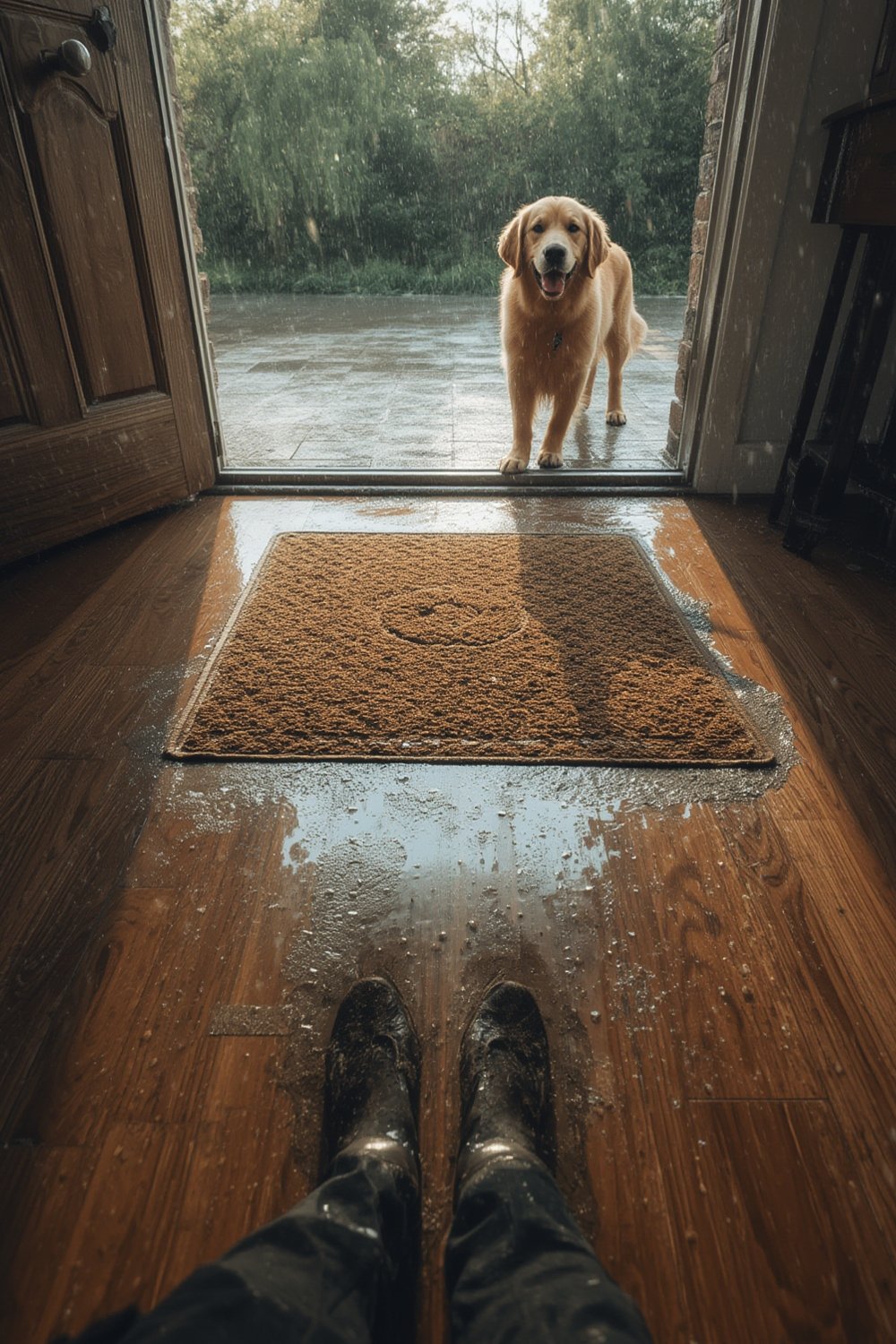
Some brands—like Muddy Mat—claim their product can soak up to five times more water than conventional doormats, though as of mid-2024, these claims do not have independent laboratory verification. The appeal is clear: less mess, fewer cleaning headaches, and better protection for your floors and carpets. But which design elements, materials, and features ensure the mat actually works for your unique household?
As outdoor living and landscaping projects surge in popularity, good entryway matting is critical for protecting your investment. For a deeper look at maintaining your outdoor spaces, don’t miss our comprehensive guide to landscaping and professional services.
Step-by-Step: How to Choose and Use a Muddy Mat
Buying a muddy mat is not one-size-fits-all. To make the best choice and get the most life out of your mat, follow these straightforward steps:
- Measure your space. Entryways, garages, or back doors all vary—choose a mat that covers enough area so one or two solid steps will do the job before anyone (or any pet) enters.
- Prioritize materials and absorbency. Polyester or microfiber with thermoplastic rubber backing delivers reliable water and mud absorption. Look for claim-backed specs (like “five times absorbency”), even if current evidence is mostly from brands themselves [source].
- Check for non-slip and edge design. Doorways can get slick—an anti-slip backing sharply reduces trip risk. Some products tout waterproof edges or raised containment lips: consider these if runoff puddles are a problem, especially during rain or snow season.
- Confirm machine washability. Choose mats that can be tossed in the washing machine and check actual user reviews on post-wash durability. According to practical video tests, mats like Mud Away Mat stand up well to repeated laundry cycles, though no strict data quantifies absorbency retention over time.
- Factor in price and value. High-performing muddy mats span a price range, but a 30×20-inch mat with premium features can be found for around $12.99, based on recent market checks [source].
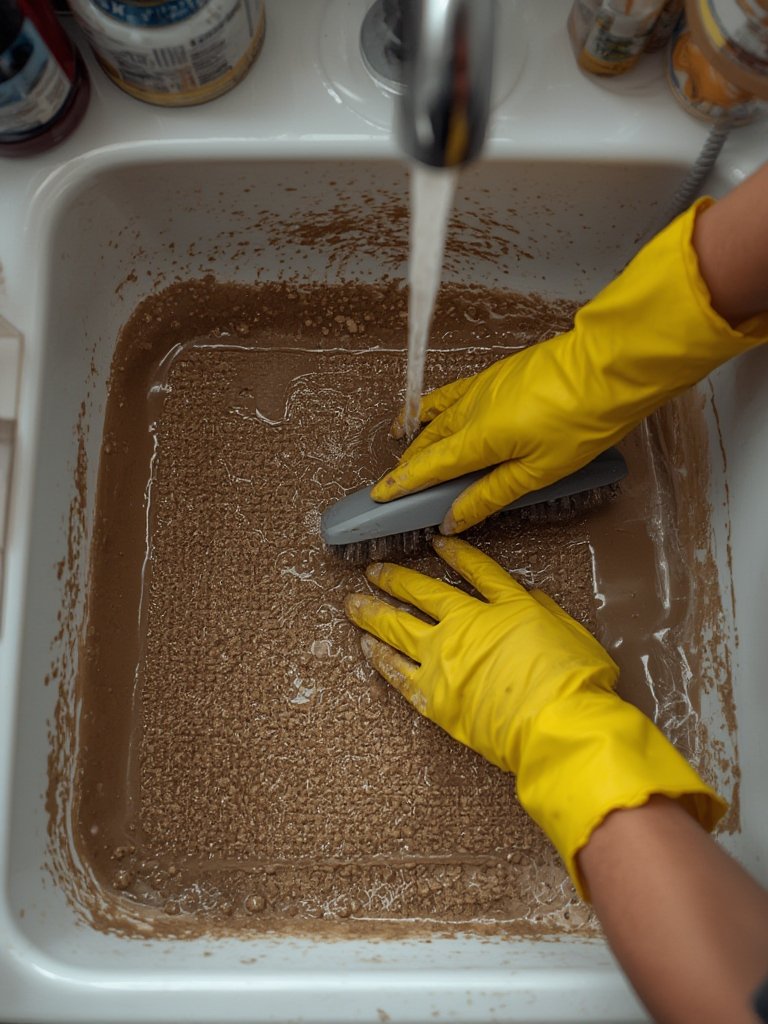
If you ever wash sneakers or boots frequently, consider using a shoe washing bag to prevent damage in the laundry. This small habit can extend the lifespan of both your mats and footwear.
Some muddy mats also come with app-controlled reminders or connect with smart home tech. If you value digital household organization, see our recommended family calendar displays for streamlined home routines.
Advanced Analysis & Common Pitfalls
Let’s dig deeper into muddy mat performance and the issues real users face—based on facts, not just promises.
Absorbency: Manufacturer Claims vs. Real World Performance
Manufacturers like Muddy Mat claim up to five times the water absorption of a standard entryway mat [source]. Independent 2024 lab tests confirming these percentages aren’t available, so take this with a grain of salt. User reviews generally praise the mats, while measured longevity after repeated washes remains anecdotal.
Edge Containment & Non-Slip Features
Reviewers appreciate non-slip backings, especially in rainy or snowy entryways. Raised edge containment, however, is rarely offered—which leaves a gap if ‘splish-splash’ puddles are your top issue.
| Feature | Muddy Mat | Mud Away Mat | Standard Doormat |
|---|---|---|---|
| Absorbency Claims | Up to 5x more water [source] | High, verified in walkthrough tests [source] | Low-Moderate |
| Pet Friendliness | Marketed for pets | Marketed for pets | Inconsistent |
| Non-Slip Backing | Yes | Yes | Often absent |
| Edge Containment | No data | No data | No |
| Machine Washable | Claimed | Proven in reviews [source] | Occasionally |
| Certifications (Eco/Anti-Microbial) | No | No | No |
Common Pitfalls Users Face
- Slippage risk: Mats without strong rubber backing may move, leading to hazard—stick to options with tested non-slip bases.
- Poor edge design: Without a raised or sealed edge, excess water sometimes leaks off the sides, especially in heavy weather.
- Absorbency drop-off: Over months of washing, some lower-end mats lose their sponge-like performance, even if surface fibers look fine. Always check user reviews on longevity.
- Under-sizing: Many buyers pick mats that are too small to be effective for an entire entryway—opt for the largest your space allows.
- Lack of pet specificity: Most “pet mats” lack special features for deeply muddy paws, so you may still need to wipe pets’ feet manually or use an indoor towel for serious mud disasters.
Interested in all-season curb appeal? Upgrade your outdoor lighting to cut down on after-dark dirt and accidents. See the pros and cons in our guide to permanent outdoor lights.
Conclusion
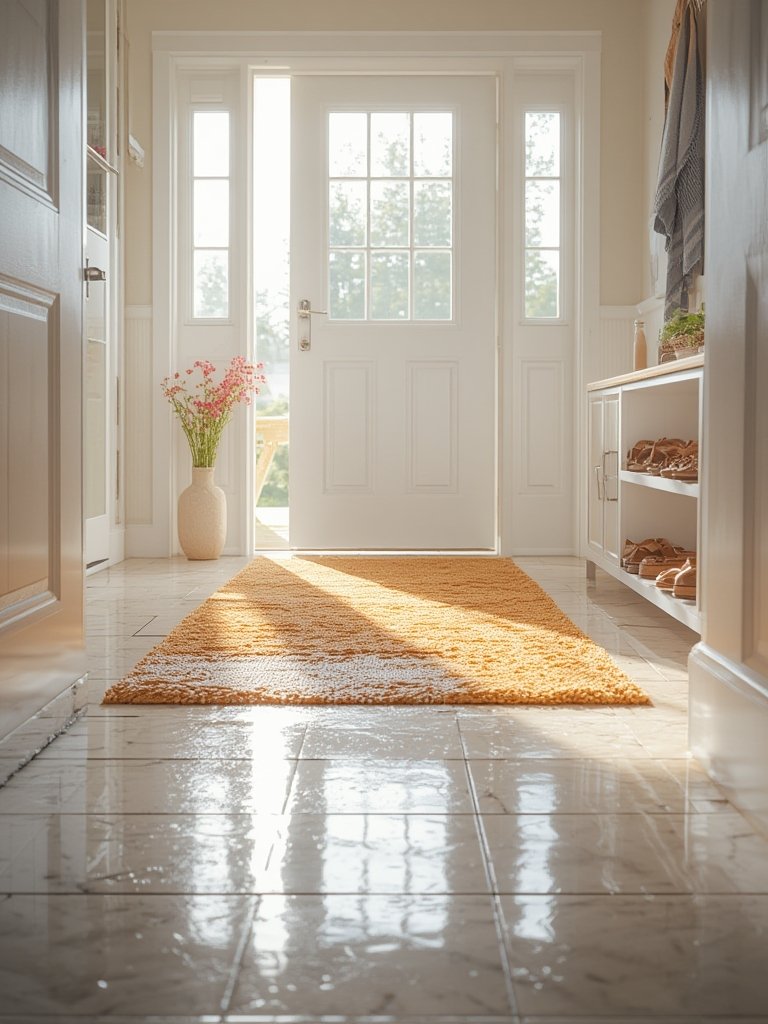
If you want a cleaner entryway and protection against tracked-in mess, muddy mats offer a real upgrade over generic doormats. Check the fine print behind absorbency claims, invest in washable and non-slip designs, and always size up for full coverage. While independent lab testing is sparse, user-reviewed products like Muddy Mat and Mud Away Mat get high marks for performance—especially in homes with pets, kids, or rambunctious outdoor routines. Choosing the right muddy mat simplifies cleanup and lets you enjoy your living space, rain or shine. Ready to keep your floors spotless? Invest in a quality mat today and experience the difference.
FAQ
How much more effective is a muddy mat compared to a regular doormat?
Muddy mat brands claim up to five times better absorption than regular mats, but independent third-party tests are not yet available as of 2024. User reports often back up these claims anecdotally.
Can muddy mats be washed repeatedly without losing absorbency?
High-quality muddy mats with polyester and rubber bases are machine washable and stand up to repeated cleaning. However, no data quantifies how much absorbency is lost over dozens of cycles. Most users find their mats last at least a year of regular washing.
What material is best for a muddy mat in wet or snowy climates?
Look for ultra-absorbent polyester or microfiber paired with thermoplastic rubber. These materials are proven effective at trapping heavy water, mud, and snow, especially when entryways see a lot of wet foot or paw traffic.
Are there eco-friendly or anti-microbial muddy mats available?
As of 2024, leading muddy mat brands do not advertise eco-friendly manufacturing or anti-microbial certifications. Most focus instead on absorbency, durability, and pet-friendliness.
How much should I spend on a high-performing muddy mat?
A reliable indoor entryway muddy mat starts around $12.99 for a mid-size. Larger or more specialized mats cost more, but the most important factors are absorption, washability, and slip-resistance—price isn’t always the main indicator of quality.