

Mini electric screwdriver sales are climbing fast as more people repair electronics and assemble furniture at home, but most buyers hit at least one frustration: lack of torque, dead batteries, or stripped screws. Here’s what you need to know before buying or upgrading—so you don’t repeat those mistakes.
Key Takeaways
- Mini electric screwdrivers are one of the fastest-growing household DIY tools, fueled by compact tech, home assembly, and influencer marketing.
- Common pain points are weak torque, short battery life, poor bit quality, and lack of torque control—these cause most negative reviews.
- newer models with digital torque, USB-C, premium batteries, and smart features are closing gaps but still have household and electronics use tradeoffs.
- What Is a Mini Electric Screwdriver and Why Are They So Popular?
- How to Choose and Use a Mini Electric Screwdriver (Step-by-Step)
- Advanced Analysis and Common Pitfalls to Avoid
- Conclusion
- FAQ
What Is a Mini Electric Screwdriver and Why Are They So Popular?
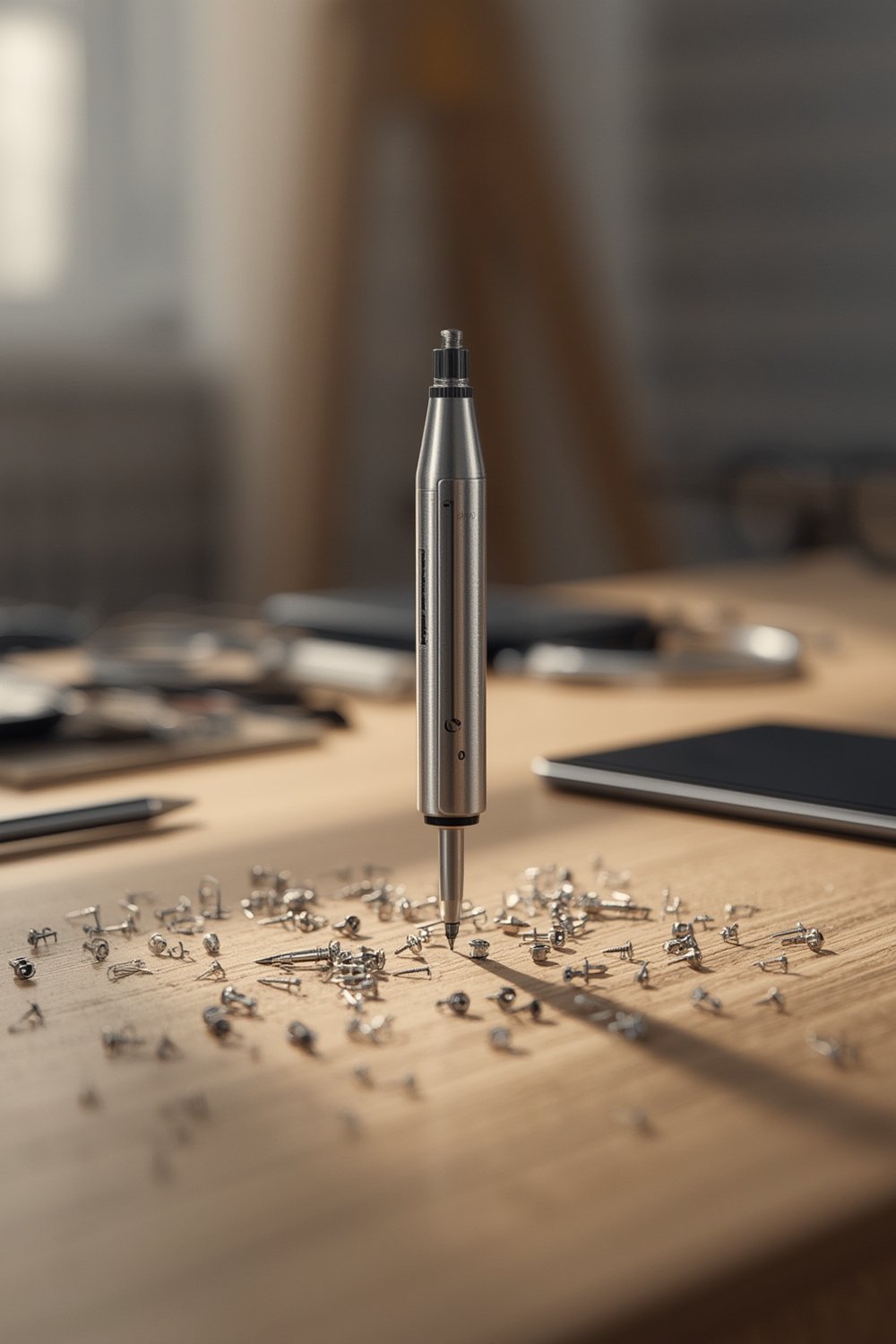
A mini electric screwdriver is a rechargeable handheld tool engineered for fast, low-effort screwdriving on small hardware—think electronics repair, toy assembly, or building a flat-pack dresser in your living room. Unlike a full-size drill or impact driver, these minis are built for portability and control, not brute force. Their rise is tied to the DIY movement, smartphone repairs, and the fact that compact furniture (and gadgets) now dominate modern homes.
According to market research, mini and precision electric screwdrivers are the fastest growing subsegment of cordless screwdrivers with annual growth rates that outpace regular manual tools. The secret? They target the “sweet spot” where compact size and basic motorized power meet. Most models use lithium batteries (typically USB-C or USB charged), simple push-button operation, and a raft of included micro-bits for modern device screws.
Real-world buyers care about two things: will it have enough power for both electronics and light furniture; and will the battery (and bits) last long enough to finish the job? Recent advances—digital torque control, smart charging ports, and upgraded bit kits—have made the best models easier for non-experts, but frustrations are still common. If you want a tool that fits your apartment drawer and handles tech repair and assembly jobs, read on to avoid common mistakes.
How to Choose and Use a Mini Electric Screwdriver (Step-by-Step)
Here’s a realistic process for picking, setting up, and getting the most from a mini electric screwdriver—plus what to always check in the store or online listing.
-
Clarify Your Main Use-Case—Be Honest
Decide: Are you mainly fixing electronics (phones, laptops, game consoles), assembling flat-pack furniture, or a mix of both? Most negative reviews come from trying to use an “electronics-only” driver on furniture or vice versa. Hybrid models exist but always have a compromise. -
Check the Torque Range and Control
For electronics and smaller screws, you want low minimum torque (~0.2-0.5 Nm) and fine adjustment (digital or multi-step clutch). If your main job is IKEA furniture, look for at least 3-5 Nm max torque and a basic clutch—many “cute” palm-size models can’t handle bigger screws. -
Evaluate Battery Type, Capacity, and Charging
USB-C is now standard on better models. For occasional users, self-discharge and “standby drain” are bigger issues than raw runtime. Batteries below 800 mAh struggle with longer assembly jobs. Brand batteries tend to last longer and are safer than cheap imports. -
Assess Bit Kit Quality and Compatibility
Look for hardened steel bits, a full range including pentalobe, Torx security, and deep-recess bits for electronics. Avoid sets with only three or four generic bits if you plan on fixing more than sunglasses or TV remotes. -
Think Ergonomics—Handle, Buttons, and Storage
Try the tool in-hand if possible. Slim, grippy, and well-balanced beats heavy and bulky. Make sure you won’t accidentally flip direction buttons mid-screw. -
Read Reliability, Warranty, and Accessory Info Carefully
Premium/brand models usually offer 2-3 years warranty and better after-sale service. Watch for replacement battery options and whether your chosen brand has a good accessory market. -
Set Up for Safe Use (ESD and Materials)
Follow good anti-static (ESD and materials). For household tasks, always use the clutch/torque limiter for particle board, and avoid pushing the tool beyond rated limits—these are not sub-drills! -
Practice and Refine Technique
Let the tool do the work. Guide gently, use two hands for precise alignment, and don’t force it if a screw is binding—switch to manual to avoid cam-out and damage.

You can apply the same careful approach to other home tools. For example, if you enjoy streamlined living, check out the best slim toasters for apartments or modern kitchens. Smart gear can simplify your daily routine—provided you pick models that suit your lifestyle and space.
Advanced Analysis and Common Pitfalls to Avoid
Most negative reviews and returns stem from avoidable mismatches: choosing a model with the wrong torque for your task, underestimating bit quality, or over-expecting battery endurance. Here are the most common realities, plus a quick comparison.
1. Power, Battery, and Usability Gaps
- Torque Over/Underkill: Many buyers find “electronics-only” models too weak for furniture, while hybrids can strip device screws.
- Battery Life Reality: Marketing claims like “can drive 300 screws per charge” assume tiny screws in soft plastic—real furniture tasks drain batteries much faster. Budget tools may die after handling a single large wardrobe.
- Charging Frustrations: Micro-USB ports and proprietary chargers are a top complaint. Modern tools with USB-C and quick charge are much more reliable.
- Bit Failures: Cheap bits round off or damage screws quickly, making the whole tool useless, especially on electronics with rare fastener types.
- Build Quality: Expect plastic gears or worn buttons on low-end models after 1-2 years with regular use.
2. Safety and Damage Concerns
- Over-torquing: Using too much force strips screws in chipboard furniture or cracks plastic in electronics—if your driver lacks fine adjustment, always finish by hand.
- Bit Slippage Injuries: Wobbly bit holders lead to hand injuries or damage interior components. Invest in better bits if you do precision work.
- Battery Swelling/Failure: Never charge in a hot room, and never leave the tool plugged in for weeks. Good models have thermal cutoff, but many cheap ones do not.
- ESD Issues in Electronics Repair: Most mini drivers are not ESD-rated. Always ground yourself when working around open PCBs to avoid damaging sensitive components.
| Feature | Electronics-Only Mini | Hybrid Mini (Electronics + Furniture) | General Purpose Compact |
|---|---|---|---|
| Max Torque | 0.2-0.5 Nm | 1-4 Nm | 4-8 Nm |
| Battery Capacity | 200-500 mAh | 800-1500 mAh | 1500-2000+ mAh |
| Bit Selection | Mostly micro-bits | Micro + standard bits | Standard bits |
| Best For | Phones, laptops, wearables | Small furniture, electronics | Household assembly, light repair |
| Main Drawbacks | Too weak for wood, most furniture | Strips small screws Limited for large builds |
Overkill for tiny screws Big for electronics |
Looking for more ways to protect your investments? High-traffic entryways ruin floors fast, but an absorbent muddy mat can help keep things cleaner—a simple upgrade similar to picking a more reliable driver or quality accessory kit.
Market Snapshot & Trends
According to precision screwdriver market analysis, this tool category is booming not just for home users but also in electronics repair cafes and urban apartments. Some brands have launched AI-powered screwdrivers with digital torque and diagnostics, while others focus on ergonomic upgrades and smarter bits. But, real-world reviews still ring alarm bells about battery replacement, unclear torque ratings, and unreliable components for regular use.
Premium is not always best for everyone. Many DIYers do better with a solid mid-range model if they only occasionally assemble or fix things. Consider household needs, warranty, and whether you want to join a tool “ecosystem” (shared batteries/chargers)—especially important as newer products, like auto-empty cordless vacuums or connected family calendars, do the same in other home categories.

Conclusion
The right mini electric screwdriver can speed up everything from gadget repair to shelf building and is now designed with real-world living in mind—USB-C, digital torque, better bits, and smarter batteries. But, most negative experiences still come from picking the wrong model for your needs: electronics drivers that fizzle on wood, “hybrid” models that strip device screws, cheap sets with bits that break, or batteries that don’t survive a year in storage.
Compare carefully using the latest feature and battery analysis. Check torque ranges, real-world battery longevity, and bit compatibility for your projects. The mini electric screwdriver niche is now big on both innovation and hype—but with honest shopping and use, you can avoid the worst pitfalls. Ready to elevate your DIY life? Find the right driver for your toolkit and build smarter at home.
Looking for more smart, low-hassle upgrades? Take a look at permanent outdoor lights for your porch, or protect your shoes with a proven shoe washing bag that saves them from laundry damage.
FAQ
What torque range should I look for in a mini electric screwdriver for electronics vs. furniture?
For smartphones, laptops, and cameras, you want a minimum torque as low as 0.2 Nm and a maximum under 0.5–1 Nm, with fine adjustment or clutch. For light furniture or flat-pack assembly, aim for at least 3 Nm max. Most mini drivers can’t reliably handle both ends, but some new models feature digital torque control for better coverage.
Can I use my mini electric screwdriver on wood or thick furniture?
Most mini electric screwdrivers (especially “electronics only” models) stall on dense wood or long screws. For furniture, choose a model with higher max torque (3–6 Nm), and always finish by hand if the driver bogs down. Never use these tools for structural woodworking—they’re not designed for it.
How long does the battery last, and what is the real-world lifespan of these tools?
Average battery runtime is enough for a few hundred electronics screws or a single flat-pack project. Budget drivers may see reduced runtime by the second year due to battery wear. Premium models (if charged and stored properly) often last 3–5 years with routine home use. Always unplug and store tools at a medium charge for best battery health.
Are mini electric screwdrivers safe for use on live electronics or PCBs?
Most models aren’t rated ESD-safe and can potentially damage sensitive electronic parts if you’re not grounded. Always power down and ground yourself when working inside electronics. Premium electronics-focused tools may offer anti-static features, but manual precautions are still required.
How do I upgrade or replace bits for my mini electric screwdriver?
Most models use standard 4mm or 6.35mm (1/4 inch) hex bits. For improved durability and more bit types, brands like Wiha or iFixit offer compatible precision bits—these can be bought in larger kits and swapped individually for better fit and longevity.