

Looking for relief from nighttime overheating? A cooling mattress topper can make a real difference for hot sleepers, especially during summer and in stuffy rooms. But not all toppers are created equal. This guide covers what you need to know about picking, using, and troubleshooting a cooling mattress topper for real sleep comfort—without bias or hype.
Key Takeaways
- Cooling mattress toppers use advanced materials and ventilation to reduce heat buildup compared to basic foam options.
- Not every topper delivers real cooling—user complaints about fit, comfort, and actual temperature drop are common.
- Choosing the right material and correct fit is crucial for both effective cooling and mattress longevity.
- What Is a Cooling Mattress Topper and Why Use One?
- How to Choose and Set Up a Cooling Mattress Topper
- Advanced Analysis & Common Pitfalls
- Conclusion
- Frequently Asked Questions
What Is a Cooling Mattress Topper and Why Use One?
A cooling mattress topper is an add-on layer placed on top of your mattress, designed to alleviate heat retention and keep sleepers cool at night. Unlike standard memory foam, which tends to trap heat, cooling toppers use gel infusions, graphite, latex, and other breathable materials to disperse body heat and promote airflow. They’re an affordable upgrade compared to buying a dedicated cooling mattress and are popular among hot sleepers and anyone struggling with night sweats.
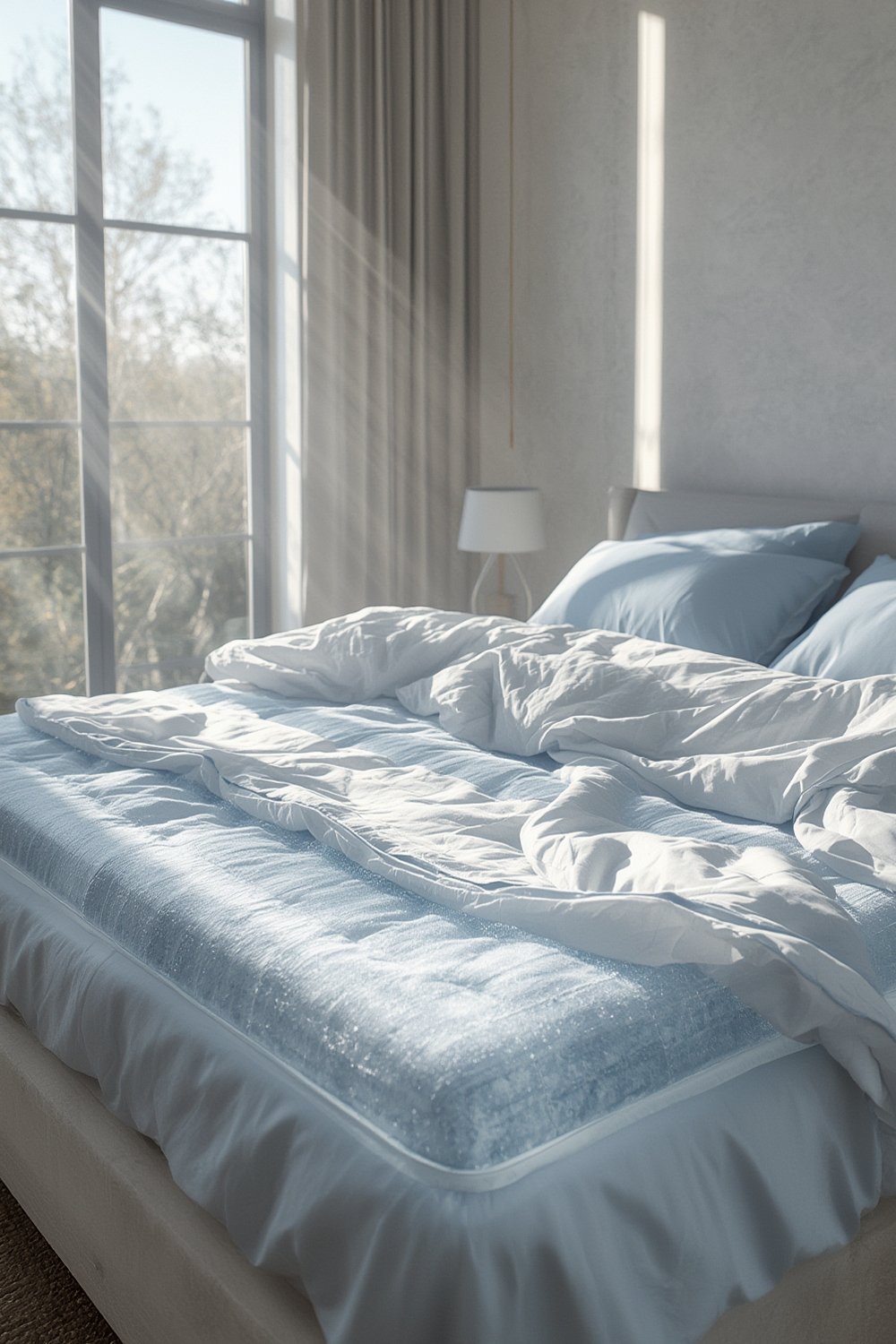
Typical cooling technologies include gel-infused memory foam, graphite-infused foam, pinhole perforations, convoluted surfaces, and use of natural textiles like cotton, Tencel, or latex. These innovations are specifically designed to draw heat away from your body, helping regulate your sleep temperature. Studies show improved comfort, but precise data for 2024 on the percentage of hot sleepers experiencing “significant” temperature drop is lacking[1].
If you’ve noticed your mattress feels stifling, or you’re considering a new mattress solely for cooling improvements, a topper offers a practical step that frequently costs less while often delivering enough relief. Learn how this small change can provide a major boost to sleep quality – provided you choose wisely.
How to Choose and Set Up a Cooling Mattress Topper
Getting genuine cooling comes down to what you choose and how you install your topper. Here’s a stepwise plan to maximize value and comfort:
- Identify Your Main Sleeping Problem. Are you a hot sleeper, suffering night sweats, or just seeking a fresher sleep environment? Pinpointing your top issue helps narrow the dizzying range of cooling topper options.
- Choose the Right Material. For the best airflow and heat dissipation, focus on toppers made from:
- graphite-infused memory foam for effective heat absorption and moderate contouring.
- gel-infused foam or gel memory foam for cooling — but beware, some trap heat over time.
- natural latex, organic cotton, or Tencel for breathable, hypoallergenic support.
When shopping, look for terms like “ventilated,” “convoluted,” or “perforated” which signal true airflow improvements. For the safest option, ensure the topper is free from chemical flame retardants and features machine washable covers if allergies or ease of care matter to you.
- Check Sizing & Mattress Compatibility. Order the exact dimensions of your mattress—not just the size class. Reviews revealed user complaints about toppers that “leave gaps” or shift easily, undermining cooling and comfort.
- Read Ratings and Compare Lab Results. Reliable reviews cite before-and-after temperature tests:
- Bear Pro: resting 74.6°F, post-use 80.7°F — a modest +6.1°F rise, best among tested toppers[1].
- Saatva: +10.7°F. Nolah: +11.4°F.
Lower rise means better heat management during sleep.
- Compare Cost & Warranty. Topper prices generally range from $150 to over $300, with most reputable models offering at least a 1-year limited warranty and 90-180 night trial periods. This is considerably less than a new cooling mattress.[2]
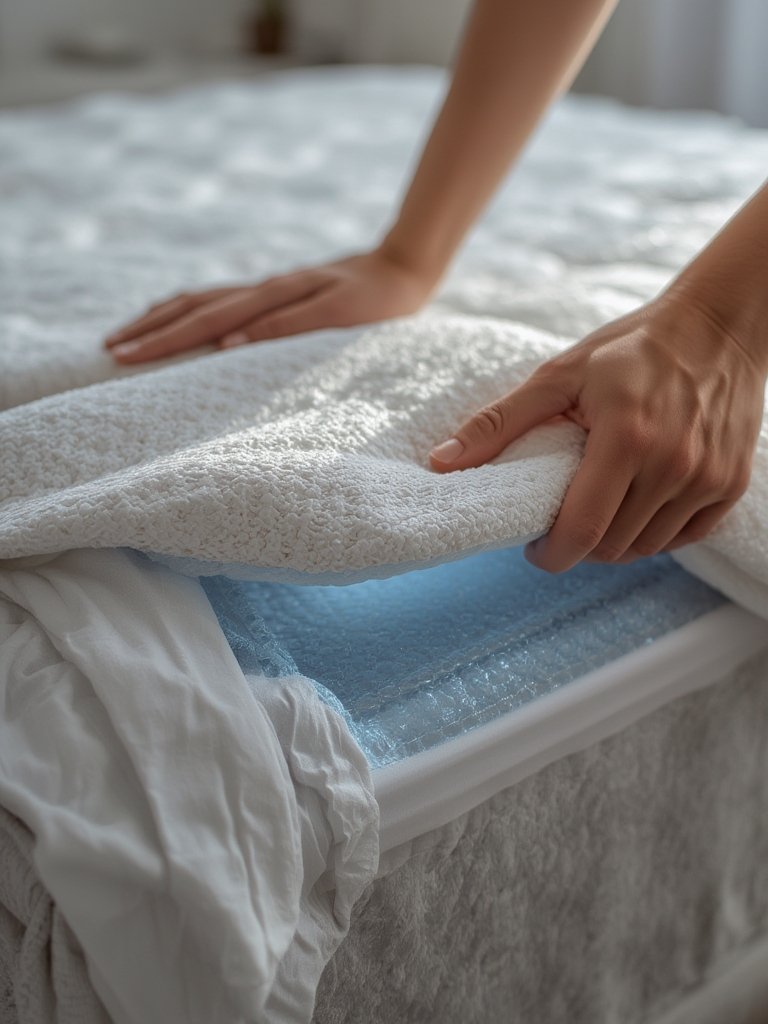
- Install on a Clean Mattress. Remove any prior toppers, vacuum the surface, and make sure your base mattress isn’t trapping excess heat from below. Place your new cooling topper with even edges. Some users report best results using a lightweight, breathable mattress protector to avoid defeating the airflow of the topper.
- Allow Initial Expansion & Off-Gassing. Memory foam toppers especially can require several hours to expand and “air out” before safe and comfortable use.
Want to upgrade other comfort zones in your home? Explore removable mud-trapping mats for rainy-day entryways in our muddy mat guide, or give your towels a spa-inspired boost with our towel warmer buying guide.
Advanced Analysis & Common Pitfalls
Even the “best” cooling mattress toppers have drawbacks. Let’s dig into what can go wrong, and see how real-world results compare to marketing promises.
- Temperature Drop Isn’t Always Significant. Lab tests show that even the best toppers only raise sleeping temperature by around 6 to 11°F versus an average of 12.5°F for traditional foam. There’s rarely a dramatic “drop”—you’re aiming for reduced overheating, not chilly sleeping.[1]
- Comfort Complaints. Thicker gel memory foam toppers can feel overly firm or too soft for some users, especially if your mattress underneath is already sagging or unsupportive.
- Fit & Laundering Issues. Users complain of toppers that slide or shift, fail to fit exactly (especially on deep mattresses), and covers that are hard to remove or wash. Heat-retention can worsen if toppers are washed infrequently or allowed to trap dust and dander. Consider a shoe washing bag if you’re battling consistent allergens or dust sources.
- Effectiveness Drops Over Time. Gel-infused toppers, in particular, may lose some cooling efficiency after 1-2 years as gel microbeads degrade. Graphite-infused foams often keep their performance longer but can cost more upfront.[3]
- Back Pain Considerations Are Often Overlooked. Most competitor guides lack specific advice for those with back pain. Pressure relief varies widely between toppers, so if spine alignment is critical, look for independent reviews on pressure mapping or pair cooling features with ergonomic designs.
| Topper Model | Material | Warranty/Trial | Temperature Change |
|---|---|---|---|
| Bear Pro | Memory foam | 1-year limited / 180 nights | +6.1°F rise |
| Saatva | Graphite memory foam | Not specified / 180 days | +10.7°F rise |
| Nolah | Gel-infused memory foam | Not specified | +11.4°F rise |
It’s wise to read verified customer reviews and independent lab tests for the cooling mattress topper you’re considering. And don’t forget warranty details and return periods—these protect your investment if things don’t work out.
For a totally new sleep surface, remember that a mattress topper is just the top layer. If your old mattress is sagging or lumpy underneath, a topper will not fix underlying support problems. Sometimes, a new mattress is the only true upgrade.
If your space is already sweltering, you can boost comfort in other rooms with cost-effective solutions like permanent outdoor lights to cut down on heat from indoor lamps, or non-toxic air fryers as a kitchen alternative to avoid oven heatups in the summer.
Conclusion
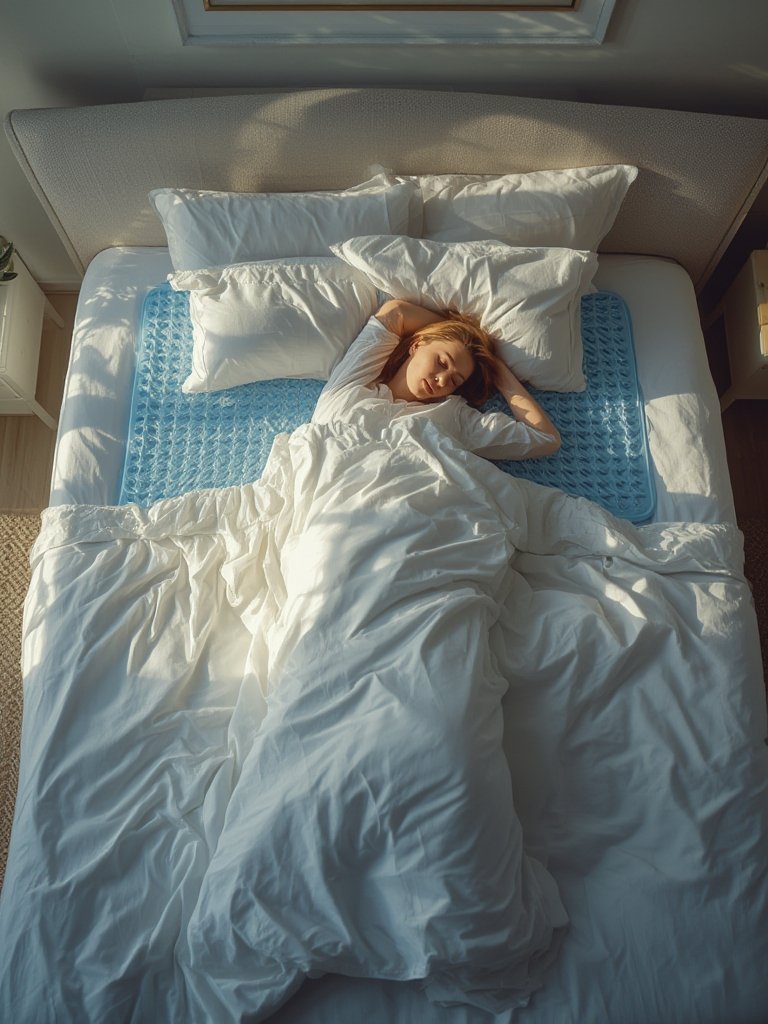
A cooling mattress topper can be a game changer for hot sleepers and for those hoping to avoid the high cost of a new mattress. The key is realistic expectations, thoughtful material selection, and careful installation. Customer complaints about fit, firmness, and washing are common, but the right topper can reclaim lost sleep for many people. If you’re ready to improve your bedroom comfort, consider trying a cooling mattress topper—and be sure to review independent lab data and real user reviews before buying.
Ready to sleep cooler and wake up refreshed? Upgrade your rest with a proven cooling mattress topper, or check out our guides to digital family organization and eco friendly bathroom routines for a smarter, more comfortable home.
Frequently Asked Questions
Do cooling mattress toppers really work?
Most provide some relief for hot sleepers, especially those using gel or graphite-infused memory foam or breathable latex. However, expect a modest improvement rather than a dramatic temperature drop, as validated by independent lab tests.
How long do cooling mattress toppers last?
On average, they last one to three years before cooling performance drops, especially for lower cost gel foam models. High-quality graphite-infused or latex toppers retain longevity and efficiency longer.
Can I wash my cooling mattress topper?
Most covers are machine washable, but the inner foam should not be submerged. Always check the care instructions—removal and airing is often needed for the core, while covers may require gentle cycles.
What materials are best for cooling and allergies?
Look for toppers featuring graphite-infused foam, natural latex, or organic cotton covers. These materials tend to be both hypoallergenic and effective at dispersing heat away from your body.
Is a topper better than buying a new cooling mattress?
It depends on your current mattress quality. If your mattress is in good shape, a topper is a more affordable solution. If it sags or lacks support, consider a new mattress instead.