

Ceramic ornaments are taking the spotlight in 2024 for holiday décor and year-round home displays, offering a unique blend of artistry, sustainability, and customization that stands out from mass-produced alternatives.
Key Takeaways
- The global market for ceramic ornaments is rapidly growing, fueled by increased demand for handmade and personalized options.
- Consumers are prioritizing sustainability, unique designs, and artisan quality in their holiday and home décor purchases.
- Critical considerations include product durability and creative opportunities like DIY kits and eco-friendly materials.
- Ceramic Ornaments: What They Are & Why They Matter
- How to Choose and Personalize Ceramic Ornaments
- Advanced Analysis & Common Pitfalls
- Conclusion
- FAQ
Ceramic Ornaments: What They Are & Why They Matter
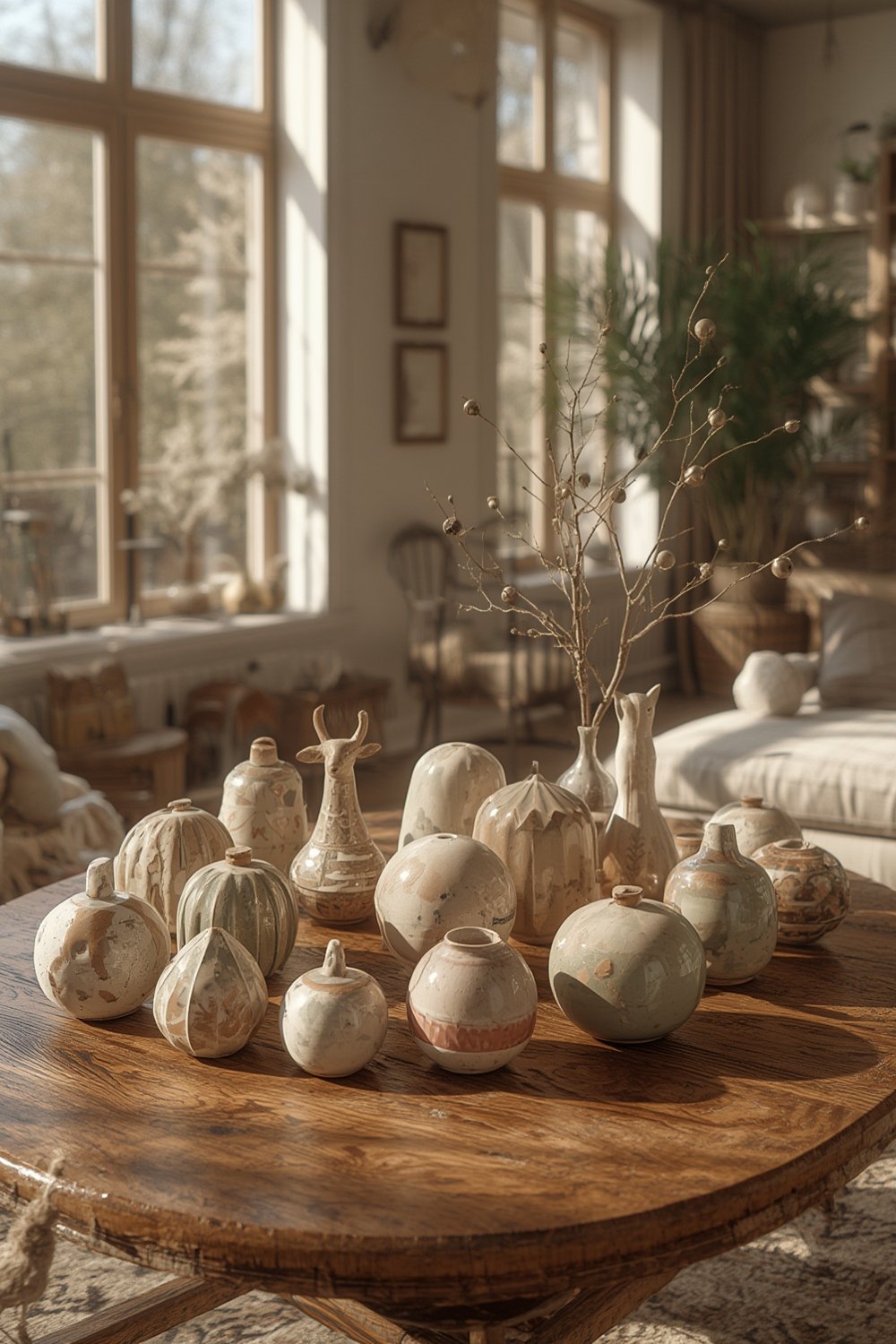
Ceramic ornaments are decorative objects crafted from fired clay, most commonly featured as holiday décor or accent pieces for any season. Their popularity is rising due to a renewed interest in high-quality, sustainable, and artistically crafted items for both festive trees and stylish interiors.
With the global ceramic ornaments market reaching US$1.74 billion in 2024 and continuing to surge, consumers are gravitating toward options that offer authenticity and personality. Handmade ornaments, personalized keepsakes, and minimalist pieces are responding to trends in individualized home décor and eco-conscious living.
Interest has further accelerated in the wake of the DIY movement and a growing desire for meaningful, lasting decorations. Unlike disposable plastic baubles, high-quality ceramic ornaments offer durability and an artisanal touch that personalizes your home all year. For additional inspiration on transforming your living environment, see our guide to landscaping.
How to Choose and Personalize Ceramic Ornaments
Selecting the right ceramic ornaments and making them your own is simple with a little planning and creativity. Here are actionable steps you can follow to ensure you get durable, beautiful, and unique pieces that fit your style and values.
Step 1: Define Your Theme
Are you aiming for minimalist chic, rustic traditional, or playful personalization? Defining your style helps you narrow down options. Minimalist trends continue to gain traction, echoing the rise of the minimalism movement in home appliances.
Step 2: Check the Materials and Craftsmanship
Look for clues in product descriptions—are the pieces hand-painted? Are eco-friendly glazes or locally sourced clays used? Artisan ornament creators often highlight these features, or offer sets for family keepsakes.
Step 3: Personalize Your Ornaments
Many sellers provide options for custom names, dates, or messages. For something truly one-off, buy blanks and decorate at home using acrylics or ceramic markers before sealing. This can become a holiday tradition, much like choosing permanent Christmas lights for your home.

Step 4: Assess Durability
High-fire ceramics are tougher but sometimes heavier. If shopping online, review any available care instructions. Properly glazed and cured pieces will resist chips, fading, and stains better than cheaper alternatives. This concern parallels the durability issues seen with household items like mesh laundry bags for shoes.
Step 5: Mix and Match for Impact
Combine different shapes and glazes for visual interest. Mix traditional baubles with modern motifs or subtle textures. Sets typically come at a better price point—compare offers from both mass retailers and artisans to fit your budget.
Advanced Analysis & Common Pitfalls
Choosing ceramic ornaments isn’t entirely foolproof; here are some common problems and realistic challenges to look out for—drawn from current market research rather than anecdotal reviews.
Common Pitfalls
- Overpaying for Mass-Produced Items: Not all “handmade” ornaments are created equal—look for transparency about where and how items are made.
- Assuming Durability: While ceramics are more robust than some alternatives, thin or badly fired ornaments can be fragile. Always check for clear product specs.
- Lack of Customization: Many mass-market ornaments offer minimal personalization—seek independent artisans for more options.
- Chemical Safety: Some imported ornaments may use low-quality glazes with questionable safety. Choose products that specify lead-free, food-safe glazes, if relevant.
- Limited Transparency in Sourcing: Eco-credentials are not always easy to verify. Ask sellers for details or look for certifications.
Comparison with Other Ornament Types
| Material | Sustainability | Durability | Personalization | Uniqueness | Common Issue |
|---|---|---|---|---|---|
| Ceramic | High (handmade, natural clay) | Good (but breakable upon drop) | Excellent (custom decor, DIY painting) | High (artisanal/glazed finishes) | Fragility if thin or poorly fired |
| Glass | Moderate (recyclable but energy-intensive) | Poor (shatters easily) | Limited (decals/etching) | Moderate | Shattering risk |
| Wood | High (if sustainably sourced) | Good (can scratch/dent) | Good (engraving, paint) | Moderate | Warping/humidity sensitivity |
| Plastic | Low (petroleum-based) | Very Good (but can discolor) | Low (mass-produced) | Low | Not eco-friendly |
Be aware that while ceramic ornaments score well for sustainability and customization, their main drawback is breakability, especially if dropped onto hard surfaces. For homes with small children or pets, consider placing ceramic decorations higher on the tree or in protected spots, similar to how you might adjust placement of candle warmer lamps out of reach.
If you value eco-responsibility in your holiday home, these trends mirror those seen in household essentials like eco-friendly toilet paper and non-toxic kitchenware. For a broader perspective on the surge in artisanal and sustainable ceramics, consult this industry report.
Conclusion
Whether you want a holiday tree with meaning or a unique décor accent, ceramic ornaments deliver a winning combination of style, lasting value, and personal connection. With their growing global popularity, a little research ensures you get pieces that are both eco-friendly and customized to your taste.
Ready to make your space unforgettable? Explore artisan shops, support sustainable makers, or unleash your creativity with DIY kits. Remember, the right ceramic ornaments can transform your décor from generic to truly memorable—start curating your collection today.
FAQ
Are ceramic ornaments safe for children and pets?
Ceramic ornaments are non-toxic if crafted with lead-free, food-safe glazes. However, they can break if dropped, so display them out of reach of children and pets.
How can I personalize ceramic ornaments at home?
Buy blank, unglazed ceramic ornaments and use acrylic paints or ceramic markers. Seal with a non-toxic glaze or spray for lasting color. DIY kits make this process fun and easy.
How do I clean and store ceramic ornaments?
Wipe gently with a damp cloth; avoid harsh cleaners. Store in padded boxes to prevent chips or cracks during off-season months.
What makes ceramic ornaments more sustainable than plastic?
Ceramic ornaments are made from natural clay and often produced in small batches, reducing the carbon footprint compared to petroleum-based plastics. Many are made locally or with eco-friendly glazes.
Why are handmade ceramic ornaments priced higher than mass-produced ones?
Handmade ceramic ornaments reflect the cost of skilled labor, quality materials, and small-batch production. Each piece is unique and often customizable, justifying a higher price than factory-made alternatives.