

Auto-empty cordless vacuum models are quickly changing how homeowners tackle dust, pet hair, and daily debris—making cleaning less frequent and more convenient. If you want less hassle in your cleaning routine and fewer trips to the trash, you’ll want to know how these vacuums stack up in 2024, what features really matter, and the trade-offs before you buy.
Key Takeaways
- The global cordless vacuum market reached $8.12 billion in 2024 and is growing steadily—auto-empty models are a strong emerging trend.
- Auto-empty cordless vacuums reduce hands-on bin emptying but often bring higher prices and specific maintenance needs.
- Technical details and long-term performance for auto-empty features remain limited, so buyers should consider design, cost, and real user reviews closely.
- Understanding Auto-Empty Cordless Vacuums
- How to Choose and Use an Auto-Empty Cordless Vacuum
- Advanced Analysis & Common Pitfalls
- Conclusion
- Frequently Asked Questions
Understanding Auto-Empty Cordless Vacuums
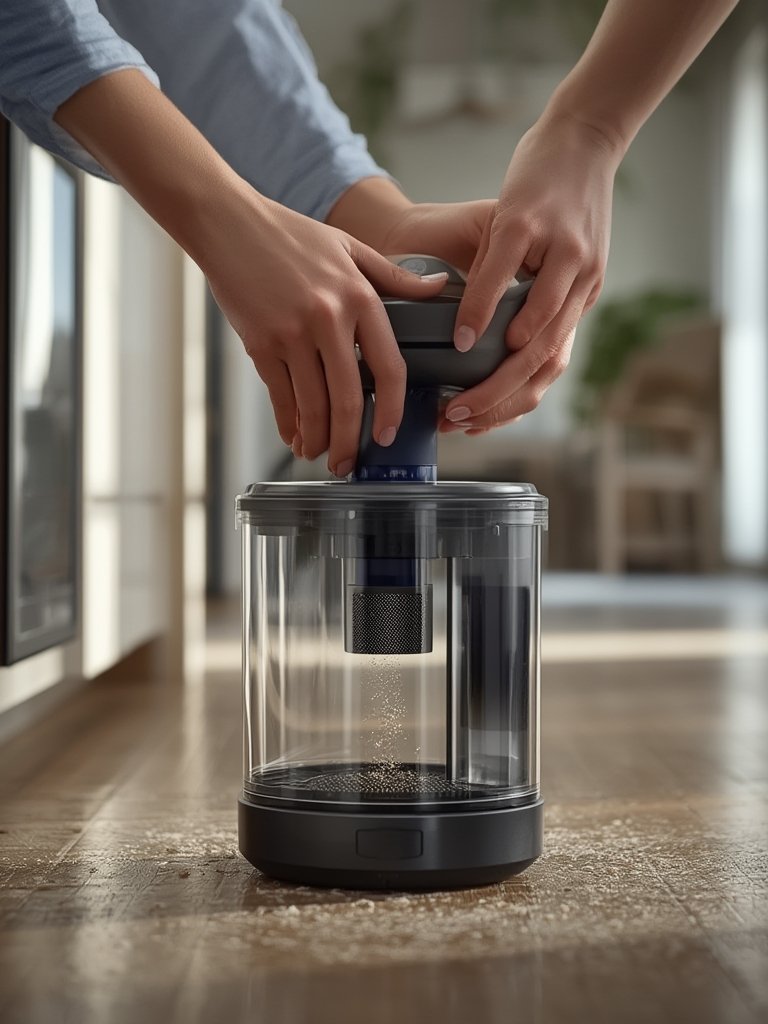
Auto-empty cordless vacuums are designed to take the mess—and most of the labor—out of cleaning. They work by automatically transferring dirt from the vacuum’s dustbin into a sealed dock or canister, limiting how often you need to empty the bin manually. These systems are gaining traction as people seek smarter, lower-maintenance solutions for homes with pets, kids, and high foot traffic.
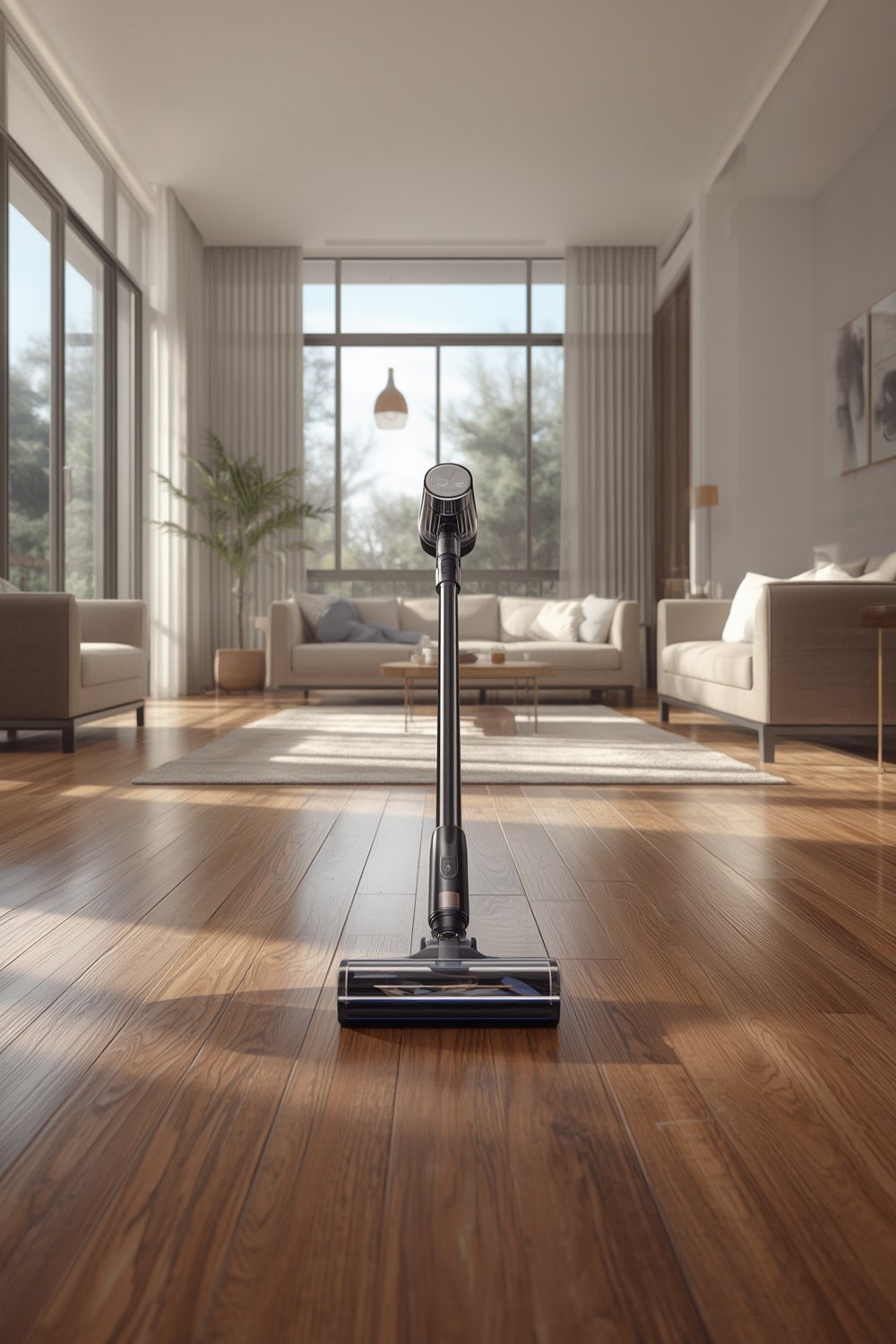
In 2024, manufacturers like Shark and Hoover released advanced auto-empty cordless vacuums featuring dirt-detecting sensors and powerful brush roll technology. These innovations aim to make routine cleaning nearly hands-off for weeks at a time. The global strategic shift is obvious: according to market research, cordless models claimed 58.5% of the residential vacuum market last year, with auto-empty options being a fast-growing subset.
But not all solutions are alike. Brands tout their hygiene, filtration, and convenience capabilities, but how do they truly compare in the real world? And what must you be aware of before investing in this technology?
If you are optimizing all aspects of your home, you might also want to review guides for professional landscaping or explore the practicality of space-saving toasters, reflecting the same drive for efficiency and comfort.
How to Choose and Use an Auto-Empty Cordless Vacuum
Getting the right auto-empty cordless vacuum means understanding your priorities, home layout, cleaning needs, and budget. Here’s a straightforward process to make sure you make the right choice and get the most out of your investment.
- Assess Your Household Needs:
- Do you have multiple pets or kids that create frequent messes?
- Is your home mostly carpet or hard surfaces?
- How much storage space do you have for a dock?
- Research Key Features:
- Check for strong suction and multi-surface brush rolls (vital for pet owners).
- Review the dustbin and dock dust-bag capacities—larger bins mean longer intervals between emptying.
- Look for models with smart dirt detection or adaptive suction, like those recently released by Hoover and Shark.
- Consider Hygiene and Allergies:
- Prioritize sealed systems and advanced filtration to avoid dust leakage.
- If you have allergies, avoid models with basic foam or cloth filters.
- Evaluate Bin Emptying Mechanics:
- Choose a vacuum with an app or notification system that alerts you when the dock is full.
- Check if the system uses affordable bag replacements and easy-access dock compartments.
- Compare Pricing and Operating Costs:
- Auto-empty cordless vacuums cost more up front—expect to pay a premium over traditional models.
- Consider the price and accessibility of replacement bags/filters to avoid long-term surprises.
- Test Placement and Setup:
- Ensure your charging dock location is accessible and has enough clearance for the vacuum to dock and empty easily.
- Set reminders to check bag/canister levels the first few weeks to spot any overflows or clogs early.
- Regular Maintenance:
- Replace dock bags and filters quarterly or as recommended by the manufacturer.
- Deep clean brush rolls and sensors monthly to maintain optimal performance.
- Monitor Performance Over Time:
- Track whether the auto-empty function truly delivers hands-free convenience or still requires frequent intervention for your household.
- Visit trusted resources or community forums for troubleshooting and performance updates.
For those who prioritize routine and home organization, consider pairing your cleaning plan with tools such as a touchscreen family organizer or leveraging a smart lighting system for more seamless household management.
Advanced Analysis & Common Pitfalls
While the appeal of auto-empty cordless vacuums is clear, the latest market research and product reports reveal gaps that consumers should notice before committing.
- Limited Independent Testing: There’s a lack of third-party or long-term studies comparing auto-empty versus traditional models for debris and pet hair removal. Buyer decisions often rely on brand claims or sparse user reviews.
- Bag and Filter Accessibility: Many models lock you into proprietary bags and accessories, which can be harder to source or pricier than expected after the first year.
- Technical Limitations: Auto-empty docks sometimes jam or do not fully clear the dustbin, especially with dense pet hair or long debris. Manual cleaning might be needed more often than you expect.
- Higher Upfront & Maintenance Costs: Auto-empty models often demand a higher initial purchase price and ongoing expenses for bags, filters, or dock maintenance, offsetting some convenience benefits.
- Dock Placement Constraints: Docks require more room and power outlets. Poor placement can block access or complicate the self-empty cycle.
Below is a snapshot comparing key features between 2023-2024 auto-empty cordless vacuums and traditional cordless models to help you clarify what matters most.
| Feature | Auto-Empty Cordless (Shark, Hoover 2024) | Traditional Cordless |
|---|---|---|
| Hands-Free Bin Emptying | Yes (1-3 weeks intervals depending on use) | No |
| Allergy Filtration | Typically advanced (HEPA or dual-cyclone) | Varies (often basic filters) |
| Ongoing Maintenance | Bag and filter replacement ($, periodic) | Manual bin emptying, filter cleaning (minimal cost) |
| Price Range (2024 USD) | Typically $450-$750 (est.) | $200-$450 (wide range) |
| Pet Hair Performance | Promising (on paper, untested long-term) | Established (user-dependent) |
Aesthetics, user-friendly design, and robust hygiene are emerging differentiators. Yet, brands focus on reducing manual intervention and boosting dust containment—without always sharing reliability or safety trade-offs. Unfortunately, price and maintenance data remain vague, but expect to pay more for added automation.
If you’re interested in other specialized cleaning and care tools, explore guides such as the shoe washing bag buying guide or consider adding a candle warmer lamp for a fresh-smelling environment.
Conclusion
Auto-empty cordless vacuum systems are pushing cleaning convenience to a new level in 2024, with leading brands rolling out smarter docks and advanced filtration. While the market shows steady growth, technical transparency and real-world testing are still catching up. Weigh the pros and cons carefully—consider cost, maintenance, and your true need for automation over tradition before deciding on an auto-empty cordless vacuum. Ready for a hands-off clean? Explore leading models and keep future updates on your radar as this segment evolves.
Frequently Asked Questions
How often do you need to empty the dock on an auto-empty cordless vacuum?
Most docks hold enough debris for one to three weeks of regular cleaning, depending on your home’s size, floor type, and mess level. Always check bin or bag indicators to avoid overfilling.
Do auto-empty cordless vacuums really help with allergies?
Yes—models with HEPA or true sealed filtration systems help capture fine dust and allergens, keeping them out of your indoor air and reducing allergy symptoms.
Are auto-empty vacuums much louder than regular cordless vacuums?
Auto-empty cycles can be noticeably louder than regular cleaning, especially during the transfer to the dock. The noise typically lasts only a few seconds and is not continuous.
Is it worth paying more for an auto-empty feature?
If you have allergies, pets, or simply hate emptying bins, auto-empty vacuums offer a real convenience upgrade. Still, balance this benefit against higher upfront costs and ongoing bag/filter replacement expenses.
Do auto-empty docks work with all cordless vacuums?
No. Docks are proprietary and designed for specific models—auto-empty features work only with compatible vacuums from the same brand or product family.