

Non toxic air fryer selections have surged in popularity as health-conscious buyers look for cookware free from harmful coatings and chemicals. But is it easy to navigate the claims, understand what is truly “non toxic,” and avoid common pitfalls? This realistic, actionable guide is designed to help you cut through the noise and shop smart.
Key Takeaways
- No official data exists on the market share of non toxic air fryers or independent certifications for absence of PTFE/PFOA.
- Choosing a non toxic air fryer requires a sharp eye for marketing language, asking questions, and realistic expectations regarding performance and durability.
- Most manufacturers lack transparency about component materials and independent safety testing, so buyers should proceed with critical caution.
- 1. Understanding the Core Concept: Non Toxic Air Fryer
- 2. Step-by-Step Guide: How to Choose a Truly Non Toxic Air Fryer
- 3. Advanced Analysis & Common Pitfalls
- 4. Conclusion
- 5. FAQ
Understanding the Core Concept: Non Toxic Air Fryer
When you search for non toxic air fryer options, you’re typically seeking products marketed as free from PTFE (Teflon), PFOA, and other substances linked to health risks. The main goal is to avoid coatings that might release toxic fumes at high heat or degrade over time. While air fryers are widely praised for reducing oil and cutting acrylamide content, most manufacturers focus on these health benefits and rarely disclose complete details about internal components, independent testing, or certifications regarding the absence of toxins.
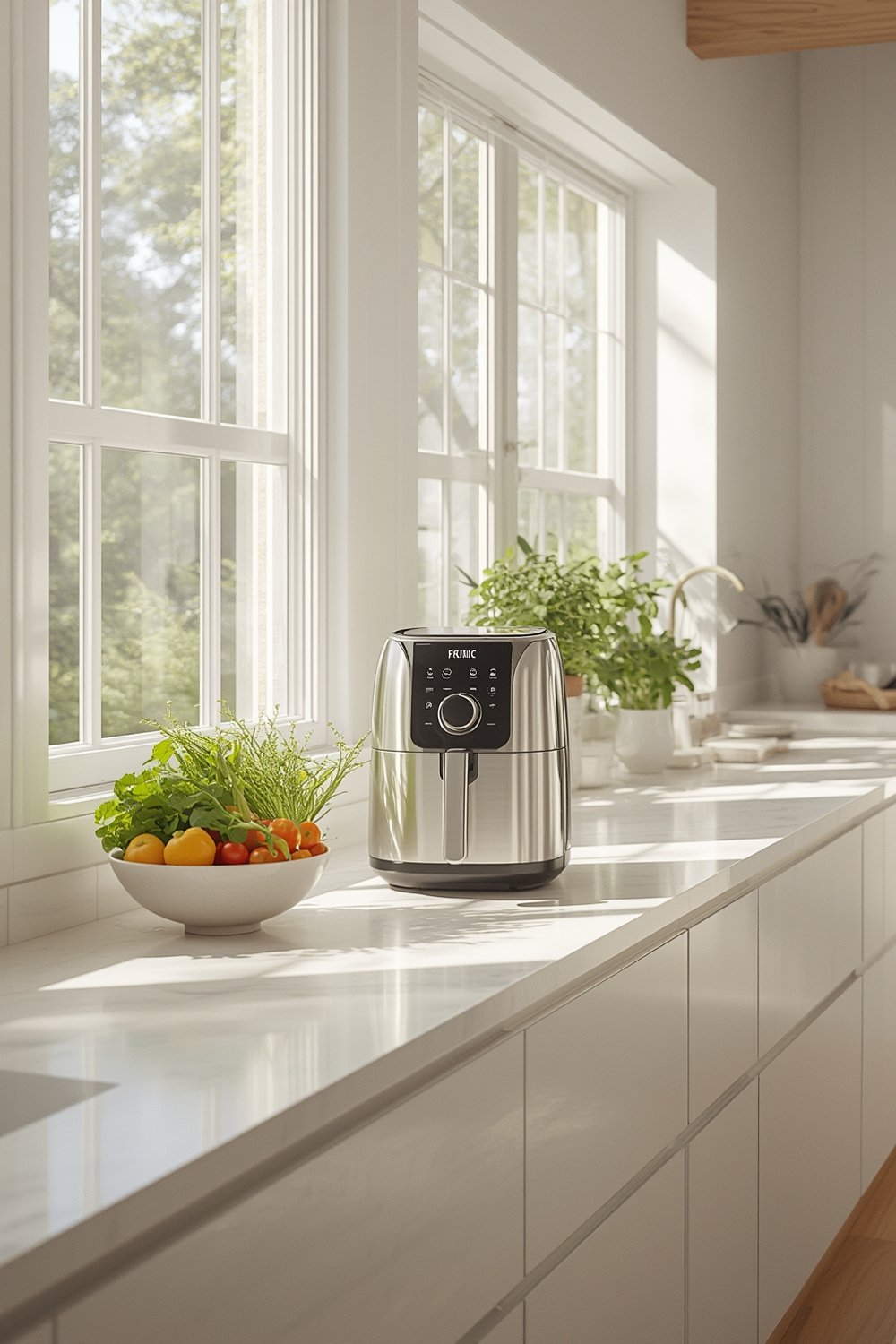
The lack of transparency and clear definitions in the category means that buyers must assess claims critically. For example, “PTFE free” or “PFOA free” might only apply to certain parts, and there are currently no globally recognized certifications strictly verifying the absence of these chemicals in consumer air fryers. Instead, buyers must look for explicit statements from brands and, ideally, evidence of third-party testing—though none has appeared in leading market reports or consumer guides [Market Report].
Step-by-Step Guide: How to Choose a Truly Non Toxic Air Fryer
- Clarify What “Non Toxic” Means to You:
- Do you wish to avoid all PTFE, PFOA, and PFAS?
- Are you comfortable with ceramic or stainless steel alternatives?
- Decide if you also want BPA or heavy metal free claims.
- Research Beyond the Box:
- Ignore surface-level claims and check the full product description for basket, tray, and heating element materials.
- Contact customer service for direct answers if information is unclear.
- Request product safety data sheets or links to independent test reports, although few brands offer this transparency as confirmed by sources like Mamavation.
- Focus on Basket Materials:
- Stainless steel and uncoated ceramic baskets are considered safest, though specific pros and cons are rarely listed by manufacturers [Credence Research].
- Beware of baskets labeled “non stick” without specified coating materials.
- Evaluate Manufacturer Credibility:
- Look for brands with a track record of safety claims on other products.
- Search for lawsuits or recalls related to toxic components.
- Double-check cleaning and use instructions:
- Some coatings only degrade at higher temperatures or after repeated washing. Review care guidelines to maximize lifespan—even the safest materials can break down if misused.
- Set Realistic Expectations:
- With little independent safety verification on the market, no air fryer is 100% without risk. Focus on minimizing exposure and balancing convenience, price, and health priorities.
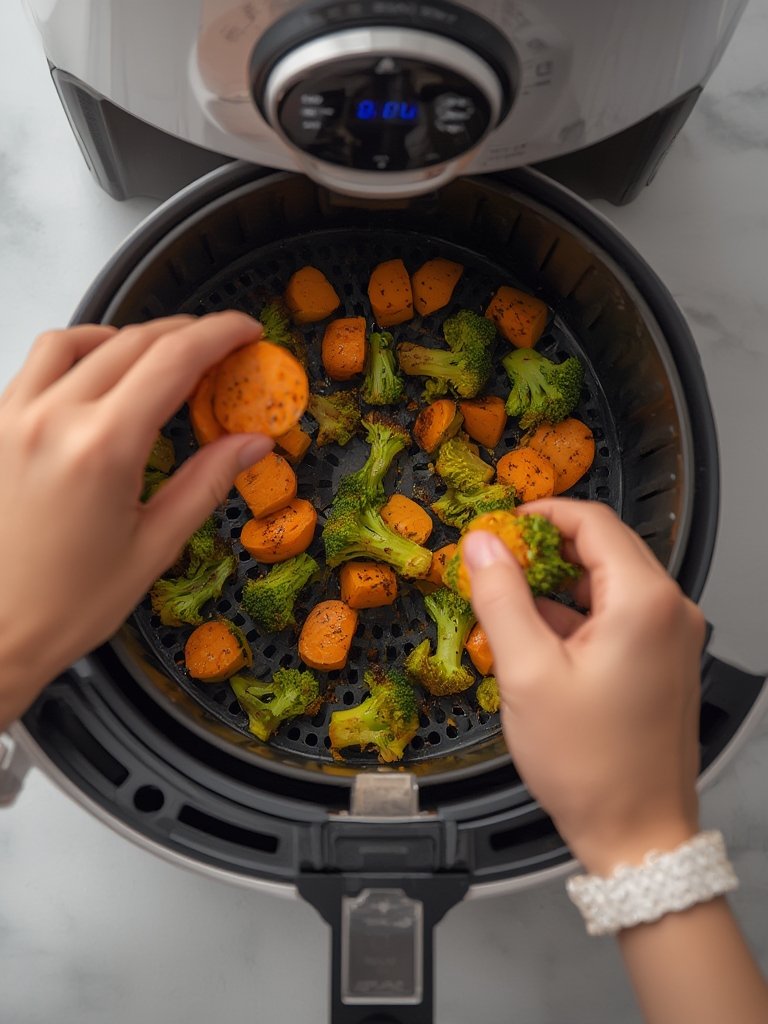
For buyers who care about their entire kitchen ecosystem, make sure your upgrades don’t stop with air fryers—consider other low-toxin upgrades like a reusable shoe washing bag, candle warmer lamp, or auto-empty cordless vacuum for a safer home.
Advanced Analysis & Common Pitfalls
While demand for non toxic air fryer products continues to grow, several buyer challenges and knowledge gaps persist.
| Material | Pros (Safety, Durability, Performance) | Cons (Safety, Durability, Performance) |
|---|---|---|
| Stainless Steel | No data available [Market Report] | No data available [Market Report] |
| Ceramic | No data available [Market Report] | No data available [Market Report] |
Common pitfalls to avoid:
- Assuming marketing claims mean total safety: “PTFE free” might apply only to visible parts; other components could still contain undesired chemicals.
- No pricing transparency: Research showed no data on price differences between non toxic and standard models, so don’t pay more just for a vague claim.
- Lack of certification: There is currently no third-party certification or standardized test for verifying truly “non toxic” air fryer products [Marketsandata Report].
- Overlooking care instructions: Even “safe” options need proper cleaning and temperature management to prevent any leaching or component damage over time.
- Lack of comparison data: No expert or user reviews specifically compare non toxic vs. traditional coated air fryers for cooking results, maintenance, or long-term durability.
Explore more in-depth guides on optimizing home appliances, such as how slim toaster choices help small kitchens or how permanent outdoor lights can elevate your space all year.

Conclusion
Absolute transparency and standardization are still missing in the quest for a true non toxic air fryer, but with critical research and attention to detail, you can make an informed, safer choice. Always dig deeper than marketing claims, prioritize uncoated stainless steel or ceramic where possible, and hold manufacturers accountable for transparency. If you want to reduce exposure to questionable chemicals in your kitchen, consider following these steps with your next purchase and revisit our guides for more practical home improvement solutions. Ready to take the next step? Begin your journey toward a healthier home by evaluating your current appliances and making a plan to upgrade to a non toxic air fryer this year.
FAQ
Are non toxic air fryers really safer than standard ones?
While non toxic air fryers avoid certain chemicals like PTFE and PFOA, there’s no conclusive independent research proving they are universally safer. At a minimum, they can help you minimize exposure to coatings known to break down at high heat.
Is there a certification that verifies an air fryer is truly non toxic?
No, currently there is no widely recognized independent certification or test verifying the absence of PTFE, PFOA, or other toxins in air fryer components. Transparency from manufacturers remains a challenge.
What’s the best material for a non toxic air fryer basket or tray?
Stainless steel and uncoated ceramic are generally considered safest for air fryer baskets and trays, but detailed pros and cons are not available from market data.
Do non toxic air fryers perform as well as standard nonstick models?
No direct comparison data exists. Some users note differences in ease of cleaning and food release, but performance depends more on the design and quality than the absence of specific coatings.
How much more do non toxic air fryers cost?
No available market data clearly compares the prices of non toxic air fryers (stainless steel or ceramic) to standard models. Always read the full specs and avoid paying a premium for vague claims.
—