
Permanent Christmas lights are transforming the way homeowners and businesses approach holiday décor, offering hands-free, customizable lighting that stays up all year with minimal effort. As demand for permanent and smart outdoor lighting soars, understanding the market, real-world challenges, costs, and advanced features will help you make a smart investment for your property—no matter your climate or budget.
Key Takeaways
- Permanent Christmas lights are growing fast due to high margins, LED efficiency, and year-round aesthetics—but real durability and app control issues remain common.
- Upfront costs can significantly exceed traditional setups, especially with premium smart features, but offer ongoing savings in annual labor and energy.
- Not all systems are equal; pay close attention to climate durability, technical support, and long-term total cost when choosing your solution.
- What Are Permanent Christmas Lights and Why Are They Growing?
- Step-by-Step Guide: Planning, Choosing, and Installing Permanent Christmas Lights
- Advanced Analysis & Common Pitfalls: Costs, Durability, and Tech Issues
- Conclusion
- FAQ
What Are Permanent Christmas Lights and Why Are They Growing?
Permanent Christmas lights are professional-grade LED lighting systems designed to remain on your home’s exterior year-round. Unlike traditional seasonal string lights, these systems can be programmed, app-controlled, and integrated with smart home platforms for stunning holiday displays, outdoor ambiance, and security lighting—all from a single installation.
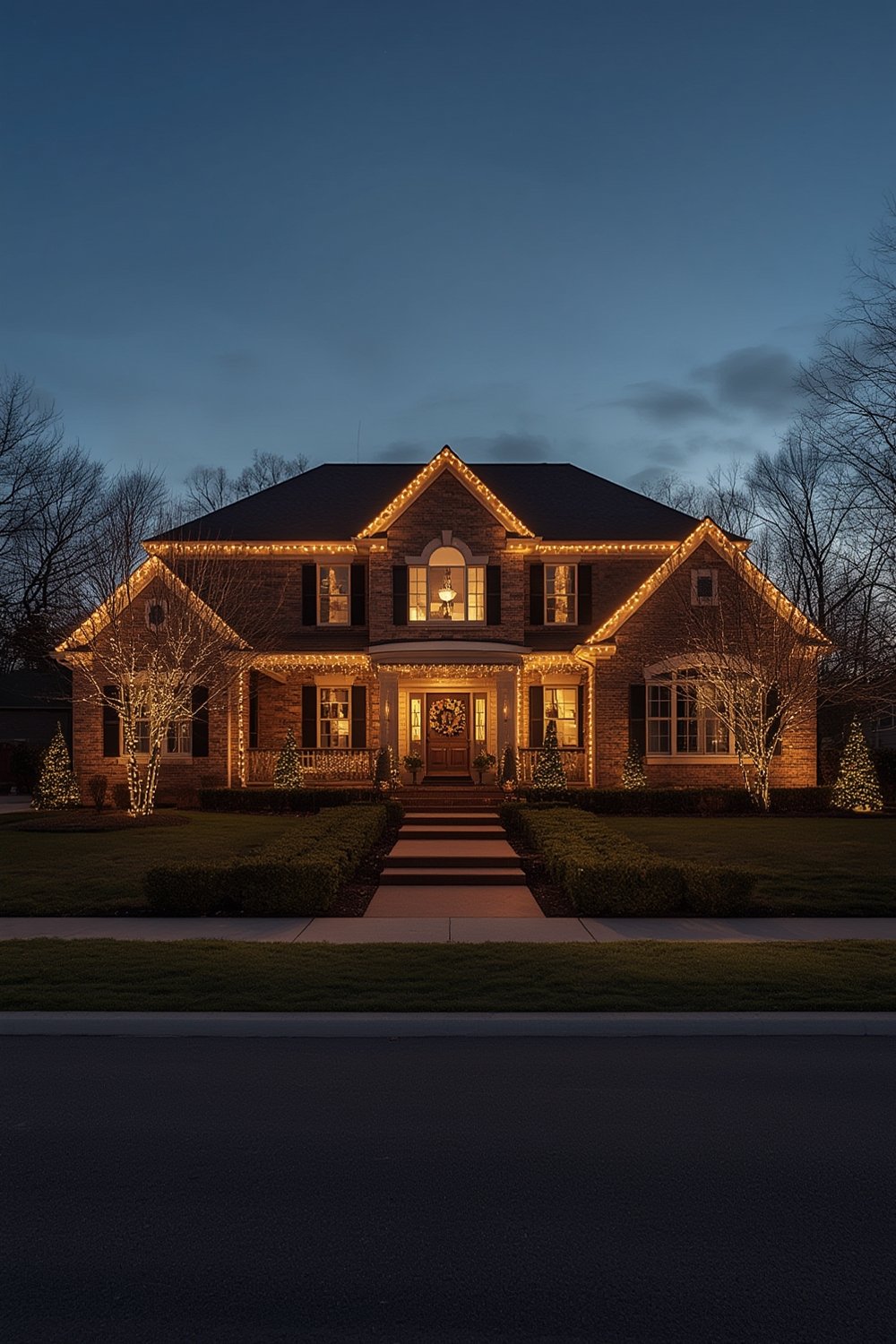
Industry data shows that adoption of permanent lighting installations is booming, with up to 60% annual growth. Homeowners and commercial property managers are drawn by the convenience and higher ROI along with the ability to eliminate yearly installation headaches. Leading brands like Lumary and Balsam Hill now offer weather-resistant, app-enabled systems for full customization (see market stats).
Most setups include programmable LEDs mounted along fascia, rooflines, or landscaping. These can be set to any color, pattern, or schedule for holidays, special events, or daily accent lighting. As the technology matures, permanent lights are becoming central to smart home ecosystems, making them more appealing for modern households seeking effortless curb appeal and new ways to enjoy their outdoor spaces. For more outdoor transformation ideas, see this landscaping guide.
Step-by-Step Guide: Planning, Choosing, and Installing Permanent Christmas Lights
Installing permanent Christmas lights is not as simple as hanging seasonal strings. Here’s a clear roadmap to ensure lasting results and avoid costly mistakes:
- Evaluate your lighting goals and constraints. List which areas you want to illuminate (roofline, eaves, landscaping, walkways). Measure total footage—most systems price by linear foot. Consider visibility from key vantage points.
- Research local providers and regulations. While no major HOA or regulatory restrictions are reported (source), it’s wise to double-check with your HOA and neighbors first. Clarify their stance on year-round exterior lighting.
- Compare permanent vs. smart/app-enabled ones rise to $60-100 per foot. Basic permanent LED setups run $35-60 per foot residentially; smart/app-enabled ones rise to $60-100 per foot. Smart add-ons (zoning, scheduling, integration) often add $400-2,000 per home depending on complexity (source).
- Choose weatherproof, high-quality products. Select LEDs rated for your climate. Look for high IP (Ingress Protection) ratings and robust waterproof connectors. Insist on UL or ETL safety ratings. Read real-life reviews—common pitfalls include water intrusion and brightness fade.
- Get a formal quote—including annual maintenance. Annual plans run 15–25% of install cost, covering troubleshooting, cleaning, and occasional repairs.
- Insist on thorough app demos before committing. Not all smart controls are equal—test app functionality, integration with Alexa/Google, and real-time responsiveness.
- Schedule professional installation with a warranty. Most reputable installers offer warranties of 2–5 years; longer is better.
- Document all system IDs and access with photos and written records. Essential for warranty and support if issues arise later, especially with complex or custom setups.
- Bookmark essential troubleshooting guides and support contacts. Being prepared will save headaches if syncing or zone issues crop up during use.
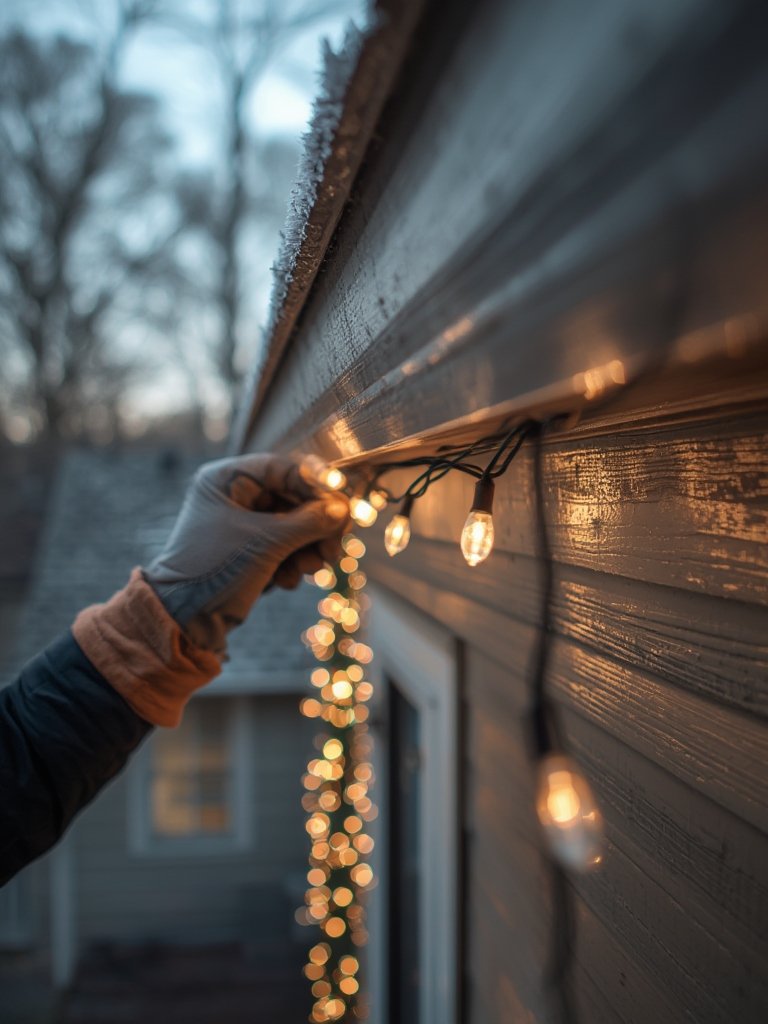
For a deeper look at how permanent outdoor lighting impacts your property value and year-round curb appeal, you can refer to our guide to permanent outdoor lights.
If you want your permanent lights to seamlessly blend with landscaping, pair your install with seasonal outdoor projects. See our expert take on transforming your outdoors.
Advanced Analysis & Common Pitfalls: Costs, Durability, and Tech Issues
Permanent Christmas lights can be a major upgrade, but only if you know where things can go wrong. Here’s what research and real-world feedback reveal:
1. Durability and Weather Challenges
- While premium brands tout weatherproofing, many users cite failed seals, water leaks, and rapid brightness loss in areas with harsh sun or freeze cycles (see trends & issues).
- Low-quality products or improper installation often lead to corroded connectors, especially on metal flashings and in coastal environments.
2. App & Integration Issues
- App-based controls are highly sought after—but glitches, delayed updates, or loss of WiFi connectivity can leave lights unresponsive.
- Some users find advertised features (such as music sync or custom scheduling) not functioning reliably, especially across different phones or in low signal areas.
- Lack of robust post-installation tech support is a frequent complaint. Always check customer service reviews for your brand and installer.
3. Total Cost Comparison—Permanent vs. Traditional Lighting
| Feature | Permanent Smart Lights (10-year span) | Traditional Seasonal Lights (10-year span) |
|---|---|---|
| Upfront Install Cost | $2,500–$6,500 (~50–100 ft w/ smart features) |
$850–$1,200 (annual setup/removal labor) |
| Annual Maintenance (est.) | $375–$1,000 (optional contracts) | $0 ($0 if DIY; $850/yr if pro setup) |
| Replacement/Upgrades | Minimal, 5+ yr warranties; bulbs last 7–10 yrs | Frequent, frayed/broken sets; every 2–3 yrs for new lights |
| Electricity Cost | Very low (LED) | Low (modern LED) / Moderate (old incandescent) |
| Year-Round Use | Yes | No — storage required |
| Smart Controls & Automation | Full app/voice scheduling, color zoning | Manual or smart plugs only |
4. Pitfall Checklist Before You Buy
- Ask for proof of weather ratings and real-life install photos in climates like yours.
- Test the app in person—don’t rely solely on marketing demos.
- Factor maintenance and support contracts into your 10-year cost model.
- Verify what’s covered under warranty for both parts and labor.
- Confirm the installer’s track record with permanent smart lighting.
For more on troubleshooting and avoiding common headaches with smart devices, see our popular post on family calendar displays and app integration pitfalls.
5. Advanced Features to Look for
- Zone-based color controls (different colors in different areas)
- Sophisticated scheduling (set patterns by holiday or event)
- Voice integration with Alexa/Google/HomeKit
- Music match/sync with home sound systems
- True outdoor weatherproofing (high IP rating, tested 4+ seasons)
- Strong, user-friendly app with prompt support
Want to see which brands are leading the way with these technical enhancements? See the newest smart trends and technical reviews at Lumary’s smart lighting blog.
Curious about other smart home upgrades that reduce hassles and add value? Check out the best self-emptying cordless vacuums for low-maintenance homes.
Conclusion
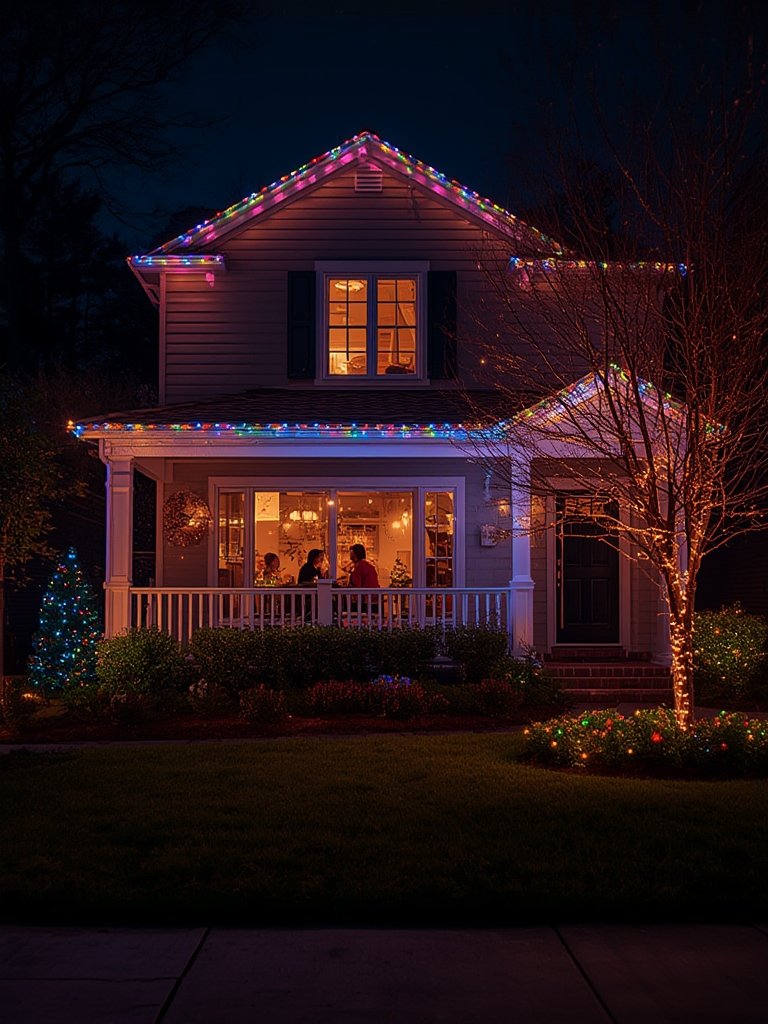
Permanent Christmas lights can provide year-round curb appeal, true smart home integration, and relief from annual décor chores—but only if you plan carefully and choose products rated for your climate and lifestyle. Clarify your cost model, demand strong warranties, and test app controls before buying. The right decision today gives you dazzling, reliable lighting for every season. Ready to make the jump? Learn more or schedule a consult through our permanent outdoor lights guide; your home can shine every night of the year with permanent Christmas lights.
FAQ
How long do permanent Christmas lights typically last?
High-quality LED permanent Christmas lights are rated for up to 50,000 hours (7–10 years) of use. Durability depends on climate, installation quality, and brand. Most warranties run 2–5 years.
Can I use permanent Christmas lights all year for non-holiday lighting?
Yes—these systems are fully programmable and can display white, warm white, team colors, or any decorative effect for landscape or security use year-round.
Are there any legal restrictions or HOA rules about installing permanent Christmas lights?
Most areas allow year-round exterior lighting, but you should always confirm with your local HOA and check any city ordinances before installing. No widespread bans are reported in US markets.
What are the most common problems with app-controlled permanent lights?
Typical issues include unreliable app syncing, WiFi dropouts, incomplete feature sets, and failed waterproofing leading to malfunctions, particularly in harsh climates.
Is it worth the money to upgrade from traditional seasonal lights?
For many, the long-term labor and replacement savings, smart home features, and curb appeal justify the higher upfront investment—especially if you want easy year-round use. Consider total cost over 5–10 years for your situation.