

Smokeless tabletop fire pit solutions deliver real flame warmth and ambience with minimal smoke—making them a top pick for small patios, urban balconies, and even certain indoor settings.
Key Takeaways
- Smokeless tabletop fire pits are surging in popularity for small outdoor and indoor spaces due to modern clean-burning fuel tech and compact designs.
- Most models use propane or bioethanol; buyers should weigh safety, efficiency, and ongoing fuel costs before choosing.
- Key buying mistakes include ignoring safety certifications, underestimating fuel expenses, and overlooking real user feedback about reliability and assembly.
- What Is a Smokeless Tabletop Fire Pit & Why People Want Them
- How to Choose and Use a Smokeless Tabletop Fire Pit: Step-by-Step
- Advanced Analysis & Common Pitfalls
- Conclusion
- FAQs
What Is a Smokeless Tabletop Fire Pit & Why People Want Them
Smokeless tabletop fire pits are compact fire features designed to bring the visual appeal and warmth of a real flame to smaller outdoor or indoor spaces—without the smoke, mess, or intensive installation required by traditional fire pits. Most burn clean propane or bioethanol and feature advanced airflow or combustion technology to reduce visible smoke and odor.
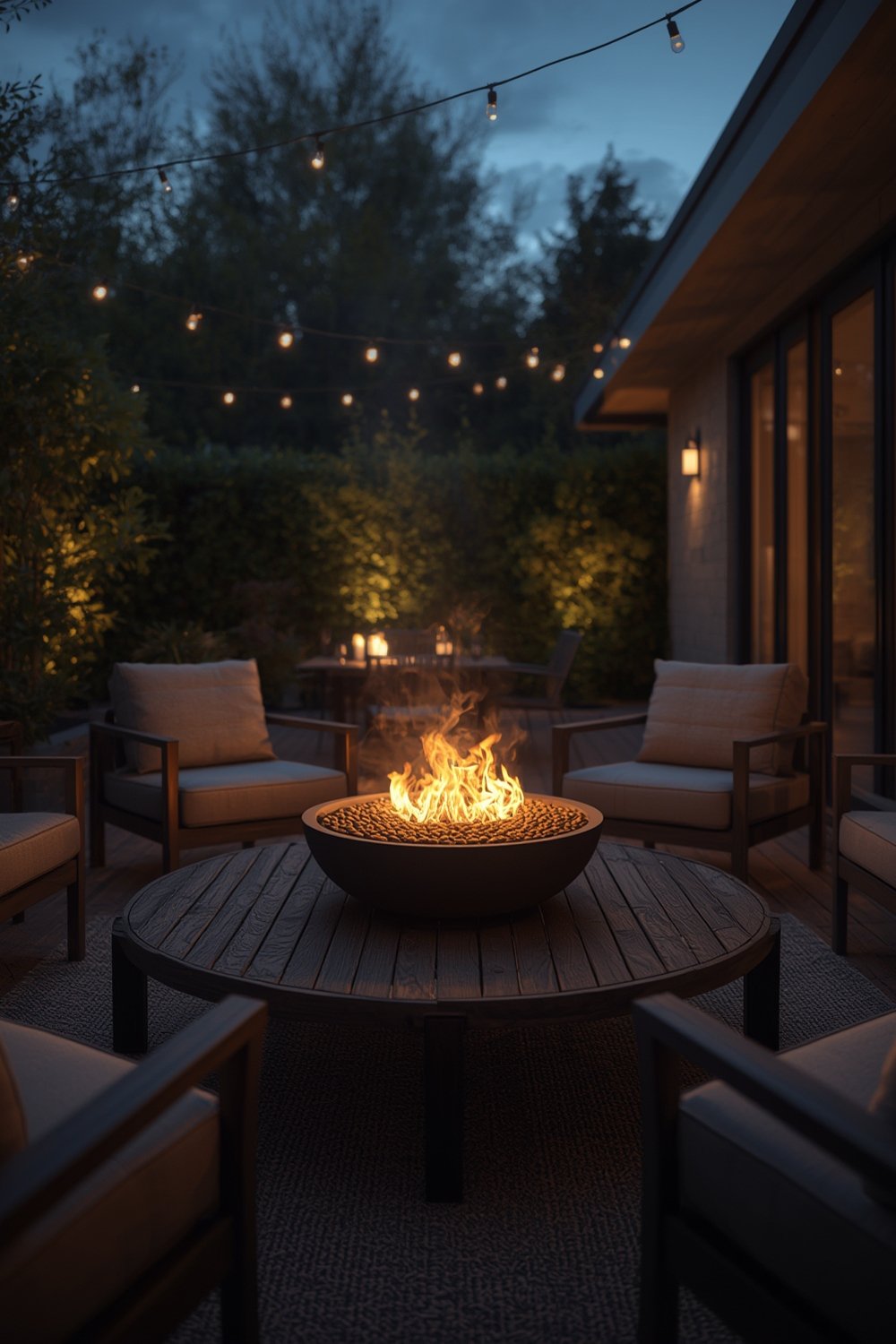
The latest market research shows the smokeless tabletop fire pit segment is booming, with 42% growth in tabletop style fire pits and nearly half of consumers opting for smokeless designs. Their popularity comes from:
- Practicality for small patios, balconies, and even condos
- No need for permanent installation or venting (for most bioethanol units)
- Versatile fuel options: clean-burning, refillable, and often odorless
- Modern aesthetics that suit urban and minimalist décor
People want the cozy, flickering ambience and supplemental warmth without sacrificing air quality or managing messy wood and ash. For a broader picture, check recent outdoor transformation trends in our guide to landscaping near me and professional services.
How to Choose and Use a Smokeless Tabletop Fire Pit: Step-by-Step
Getting the right smokeless tabletop fire pit—and using it safely—requires more than picking the trendiest model online. Here’s a structured guide to ensure you get what fits your space, needs, and lifestyle:
- Measure Your Tabletop or Patio Space
- Check the exact area you want to place the fire pit. Most units are 10-18 inches wide and need a stable, heatproof base.
- Decide on Fuel Type: Propane: Reliable, rapid ignition, and familiar if you grill often.
- Propane: Reliable, rapid ignition, and familiar if you grill often.
- Bioethanol: Better for indoor use—many units are ventless and certified for inside spaces with adequate ventilation.
- Evaluate ongoing fuel availability and storage (bioethanol needs airtight supply).
- Compare Safety Features and Certifications
- Look for models that note third-party testing, tip-over protection, or clear child/pet safety warnings.
- Certifications like UL or CSA are ideal, but many brands lack them—scrutinize manufacturer claims and always test outdoors before indoor use.
- Check Actual Customer Reviews
- Look for complaints about parts, missing wind guards, weight, and assembly complexity.
- Models with multiple reviews mentioning reliability issues or fumes aren’t worth the risk.
- Calculate Ongoing Fuel and Maintenance Costs
- Bioethanol runs around $10 to $20 per liter, depending on purity and brand. Typical burn rate is 0.2-0.5 liters per hour.
- Propane is priced per cylinder, often lower per hour but bulkier to store.
- Place and Operate Safely
- For indoors: keep away from curtains, paper, and always ventilate the room. Never leave unattended or within reach of children or pets.
- For outdoors: use a wind guard if your patio is breezy—minimizes heat loss and keeps flame stable.
- Style & Ambience Touches
- Consider models with glass shields, LED accents, or colored flame options for visual appeal.
- Coordinate with outdoor lighting or cozy elements like a permanent outdoor lights setup for maximum effect.
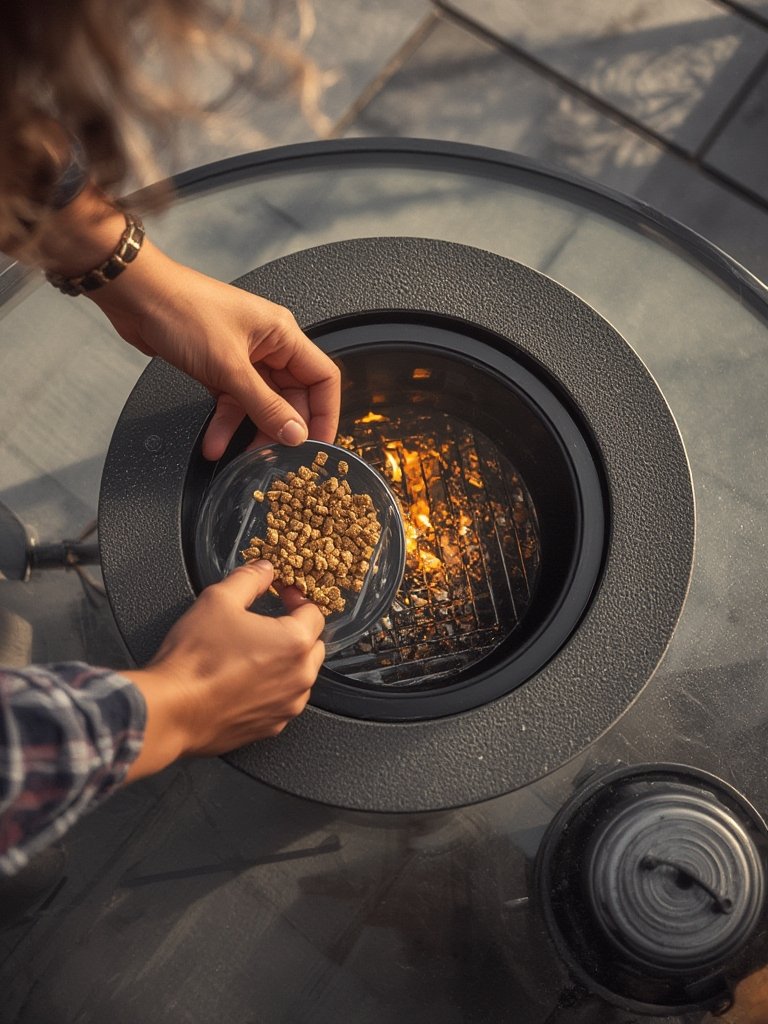
Want to boost comfort year-round? Pair your fire pit with functional products, such as a towel warmer for chilly evenings or compact apartment-friendly appliances for a fully optimized small space.
Advanced Analysis & Common Pitfalls
No product is perfect, and the smokeless tabletop fire pit market has its share of growing pains and misconceptions:
- Actual Smoke Output May Vary: “Smokeless” is relative. In high wind or with cheaper fuels, some smoke and odor can still occur, especially on patios with little shielding.
- Weight and Portability: Some “tabletop” models are much heavier than expected—bad news for outdoor enthusiasts wanting something for travel or camping. If portability is critical, check product weight carefully.
- User Complaints: Assembly issues, missing or defective parts, and lack of adequate wind shields get frequent mentions in user reviews. Some models score a mediocre 3.7/5 average for reliability and build.
- Fuel and Efficiency Trade-Offs: While bioethanol is odorless and clean, it burns faster (and more expensively) than propane. Cylinders are more cost-effective per hour but aren’t always as convenient for small indoor use.
- Missing or Vague Safety Certifications: Most tabletop pits don’t have UL or CSA marks—buyers must rely on manufacturer-supplied test claims or third-party reviews.
| Comparison | Propane | Bioethanol |
|---|---|---|
| Burn Time (per typical tabletop tank/refill) | 2-5 hours | 1-3 hours |
| Ongoing Fuel Cost (per hour) | Low to moderate* | Moderate to high |
| Odor/Emissions | Some, varies by brand | Minimal, if using high purity fuel |
| Indoor Certified Models | Rare | Common, with ventilation |
| Ease of Use | Plug-and-play, but watch for larger hardware | Refilling can be messy if not careful |
*Actual running costs depend on current local fuel prices. For precise efficiency data and new product releases, see sources like Archive Market Research.
Not all “smokeless” models perform optimally in windy conditions—consider reviews on wind performance and use a wind guard if your patio is breezy. Consumer reports highlight that most negative feedback is tied to missing parts, poor assembly documentation, and customer service issues. To minimize risk, check real-world user data on seller sites and consult extended reviews from platforms like Accio Business Trends.
If you’re planning a true indoor upgrade, learn from family tech that promotes clean air—like a candle warmer lamp to enjoy fragrance without open flame. For smart space optimization, pairing with an always-on digital wall calendar reduces countertop mess.
Conclusion
Smokeless tabletop fire pits are a smart solution for those seeking real atmosphere and warmth in compact spaces without fuss, ash, or excess odor. Choosing the right model is about more than price or looks—buyers need to weigh ongoing fuel cost, usability, safety, and actual performance claims. If you take time to scrutinize certifications and read between the lines of real user feedback, you’ll be able to enjoy the benefits of a smokeless tabletop fire pit safely, indoors or out. Ready to upgrade your patio or living room? Start exploring the best-reviewed options and transform your small space with smart, low-emission warmth today.
FAQs
Are all smokeless tabletop fire pits safe for indoor use?
No. Only certain bioethanol models are designed and certified for indoor use, and even then, proper ventilation is essential. Always check safety documentation and manufacturer recommendations.
Which fuel type is best for indoor smokeless tabletop fire pits?
High-purity bioethanol is recommended for indoor models as it produces fewer emissions, less odor, and doesn’t require venting. Avoid propane indoors unless the unit is explicitly certified for interior use.
How much does it cost to run a smokeless tabletop fire pit?
Fuel costs depend on usage and type. Expect to pay roughly $10 to $20 per liter for quality bioethanol (burning for 2 to 4 hours). Propane is cheaper per hour but less common for indoor-certified tabletop models.
What safety certifications should I look for?
Ideally, look for UL or CSA testing marks, especially if planning indoor use. However, many compact models do not have these certifications. Prioritize units with thorough safety documentation, tip-over protection, and positive third-party reviews.
Can these fire pits really heat a room or patio?
Smokeless tabletop fire pits add ambiance and some warmth, but they’re not a replacement for a true space heater. They’re best for mood lighting and gentle heat in small, sheltered areas.